






What's Happening?
Between mid-August and mid-October 2026, pharmaceutical companies Merck and Moderna reported the first positive Phase 3 readout for an individualized neoantigen therapy. This development marks a significant milestone in the field of therapeutic vaccines.
While this specific therapy showed promising results, the same period also saw setbacks for other mRNA trials, including two BioNTech mRNA trials and a glioblastoma peptide vaccine. In the realm of infectious diseases, Phase 3 data presented a mixed picture: a 31-valent pneumococcal conjugate vaccine successfully met its primary endpoints, but a recombinant BCG vaccine did not demonstrate noninferiority against tuberculosis infection. Additionally, testing for a Bundibugyo vaccine moved closer to outbreak areas, and new investments were directed towards automated, cell-based, and refrigerator-free methods for vaccine production and storage.
Why It's Important?
The positive Phase 3 results for an individualized neoantigen therapy from Merck and Moderna could represent a significant advancement in cancer treatment, particularly in the development of personalized medicine. This success may pave the way for more targeted and effective therapies for various cancers, potentially improving patient outcomes and quality of life. The mixed results in other mRNA trials highlight the complexities and challenges inherent in vaccine development, underscoring that not all experimental therapies will succeed. The progress in infectious disease vaccines, such as the 31-valent pneumococcal conjugate vaccine, is crucial for public health, offering protection against common and severe pathogens. Furthermore, investments in innovative vaccine production and storage methods are vital for enhancing global vaccine accessibility and distribution, especially in regions with limited infrastructure, which could have a profound impact on global health equity and pandemic preparedness.
What's Next?
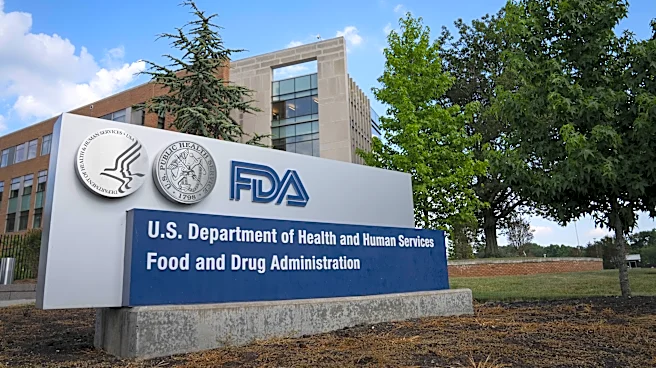
Following the positive Phase 3 readout, Merck and Moderna are likely to proceed with regulatory submissions for their individualized neoantigen therapy. This would involve seeking approval from health authorities, such as the U.S. Food and Drug Administration (FDA), to bring the treatment to market. The success of this therapy could also spur further research and development in personalized cancer vaccines, potentially leading to a new generation of treatments. For the infectious disease vaccines, the successful 31-valent pneumococcal conjugate vaccine will likely move towards broader implementation and distribution. Conversely, the recombinant BCG vaccine's failure to demonstrate noninferiority against tuberculosis infection will necessitate further research or a re-evaluation of its development pathway. Continued investment in automated and refrigerator-free vaccine production technologies suggests a future where vaccine manufacturing and distribution are more efficient and resilient, particularly in response to emerging health crises.
Beyond the Headlines
The success of an individualized neoantigen therapy has profound implications beyond immediate treatment, potentially shifting the paradigm of cancer care towards highly personalized approaches. This could lead to a future where a patient's unique tumor characteristics dictate their treatment, moving away from more generalized therapies. Such a shift raises ethical considerations regarding access and equity, as personalized treatments can be more complex and costly to produce. The broader landscape of vaccine development, with both successes and setbacks, underscores the scientific rigor and financial investment required to bring new medical interventions to fruition. The focus on innovative manufacturing and storage solutions also points to a strategic effort to address global health disparities and enhance preparedness for future pandemics, reflecting a long-term vision for more robust and equitable healthcare systems worldwide.