



What's Happening?
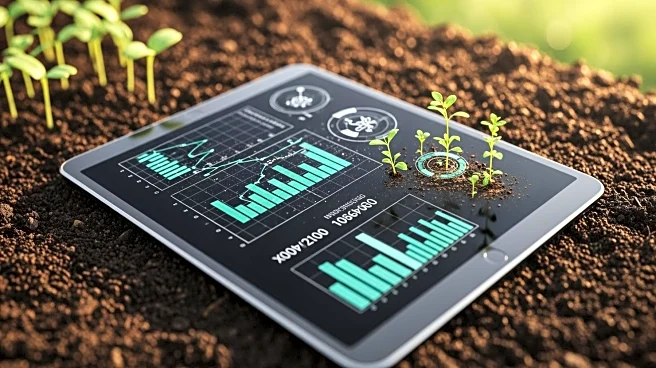
Agriculture studies are undergoing significant changes as they integrate digital technologies and interdisciplinary approaches to address modern challenges. By 2026, it is expected that over 60% of agriculture courses will include modules on AI and data
analytics. Precision agriculture, which involves the use of GPS-guided machinery, IoT sensors, and drones, is projected to be adopted by 35% of academic research programs by 2025. These advancements aim to enhance productivity, sustainability, and food security. The field is increasingly incorporating elements like climate modeling, bioeconomy, and policy analysis to prepare students for the evolving demands of global food systems.
Why It's Important?
The integration of digital tools in agriculture studies is crucial for addressing the pressing issues of food security and climate resilience. As environmental pressures and societal demands for sustainable food systems grow, the need for skilled professionals who can leverage technology to optimize resource use and reduce environmental impact becomes more critical. This shift not only prepares students for future challenges but also supports the development of more efficient and equitable farming practices. The focus on interdisciplinary education ensures that future agronomists and farmers are equipped with the necessary skills to innovate and adapt in a rapidly changing world.
What's Next?
As agriculture studies continue to evolve, universities and educational institutions are likely to expand their curricula to include more hands-on training with digital tools and technologies. This may involve partnerships with tech companies and agricultural organizations to provide students with real-world experience. Additionally, there may be an increased emphasis on policy and social innovation to ensure that graduates are prepared to address the broader socio-economic and environmental challenges facing the agriculture sector. The ongoing digital transformation in agriculture education is expected to drive further advancements in sustainable farming practices and food system resilience.