
What's Happening?
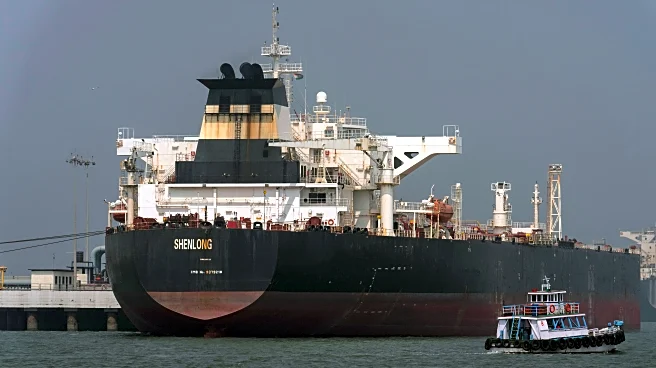
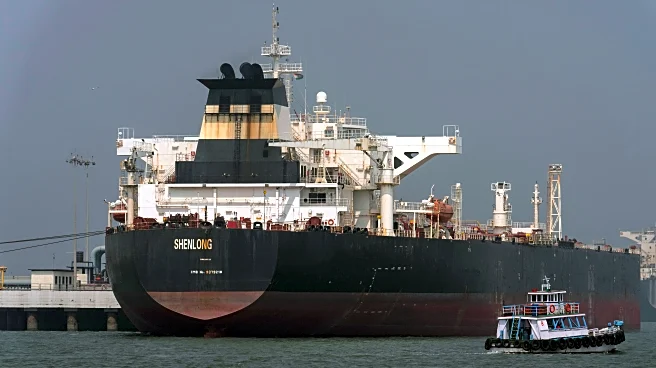
Leading European nations and Japan have issued a joint statement condemning recent Iranian attacks on commercial vessels and civilian infrastructure in the Gulf. The statement, released on Thursday, calls for Iran to cease its aggressive actions, including
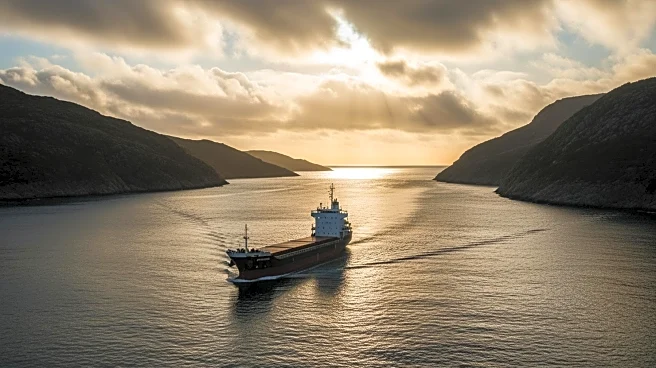
the laying of mines and missile attacks, which have effectively closed the Strait of Hormuz to commercial shipping. The nations emphasized the importance of freedom of navigation as a fundamental principle of international law and called for a comprehensive moratorium on attacks on civilian infrastructure. They also expressed readiness to contribute to efforts ensuring safe passage through the Strait and welcomed the International Energy Agency's decision to release strategic petroleum reserves to stabilize energy markets.
Why It's Important?
The Strait of Hormuz is a critical chokepoint for global energy supplies, with a significant portion of the world's oil and liquefied natural gas passing through it. The disruption caused by Iranian actions poses a threat to international peace and security, potentially leading to increased energy prices and economic instability worldwide. The joint statement by European nations and Japan highlights the international community's concern over the situation and the need for coordinated efforts to ensure maritime security. The involvement of major economies in stabilizing energy markets underscores the global impact of the conflict and the importance of maintaining open and secure shipping lanes.
What's Next?
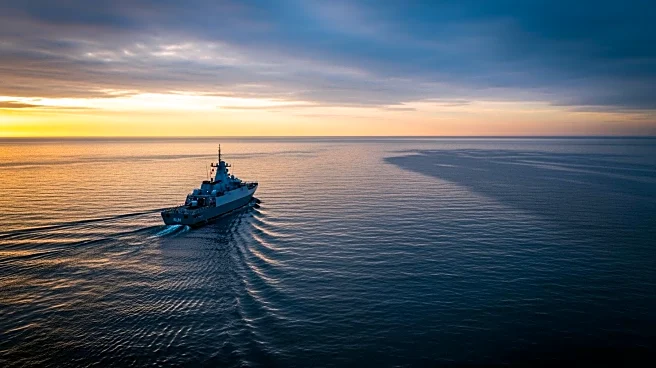
The international community is likely to continue diplomatic efforts to de-escalate tensions in the Gulf region. The readiness of European nations and Japan to contribute to maritime security efforts may lead to increased naval presence in the area to deter further Iranian aggression. Additionally, the release of strategic petroleum reserves and potential increases in oil production by certain nations could help mitigate the impact of supply disruptions. The situation remains fluid, and further developments will depend on Iran's response to international pressure and the effectiveness of diplomatic and security measures.