



What's Happening?
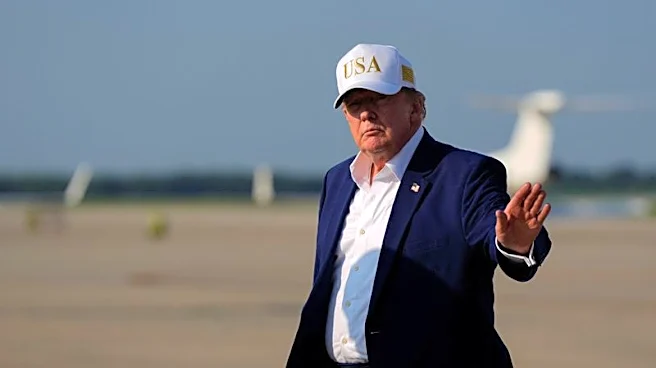
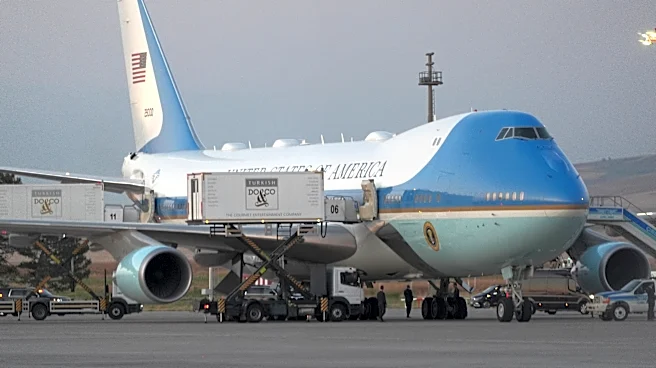
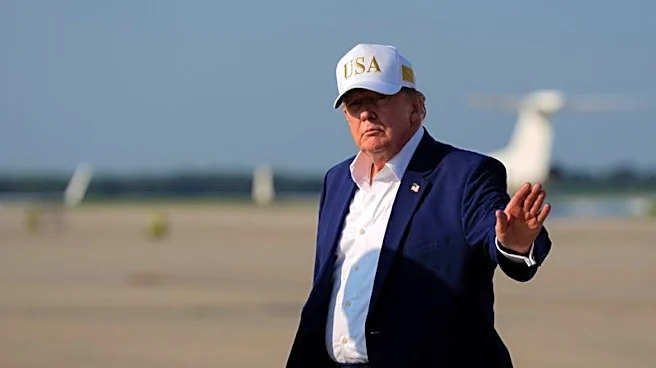
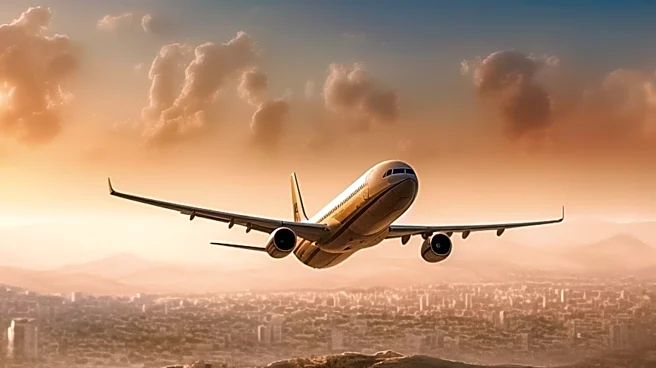
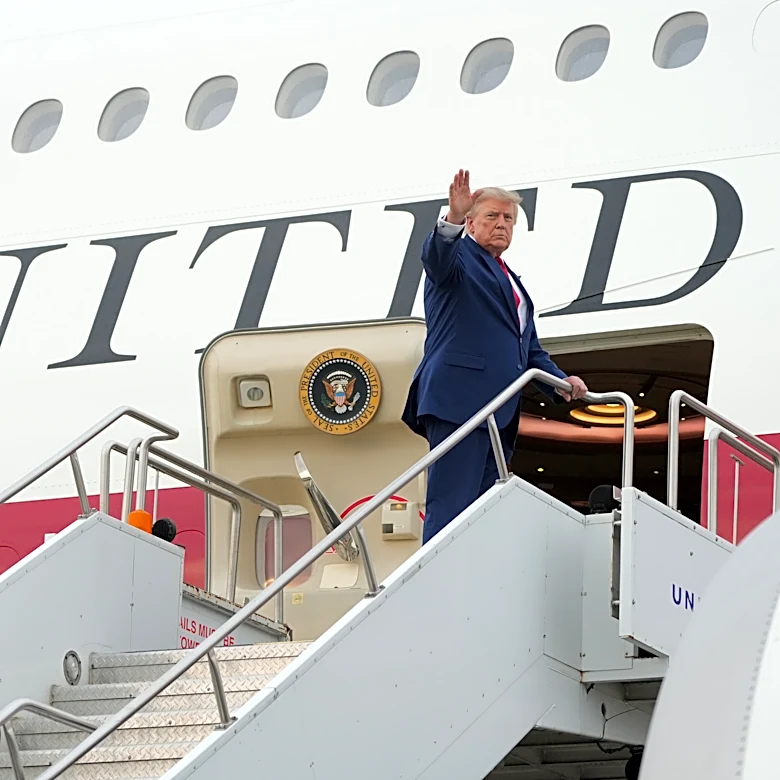
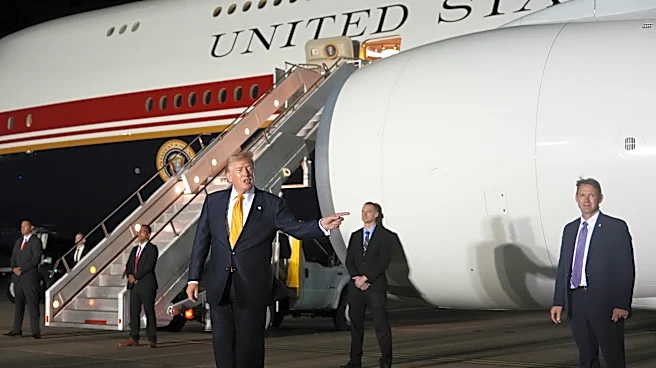
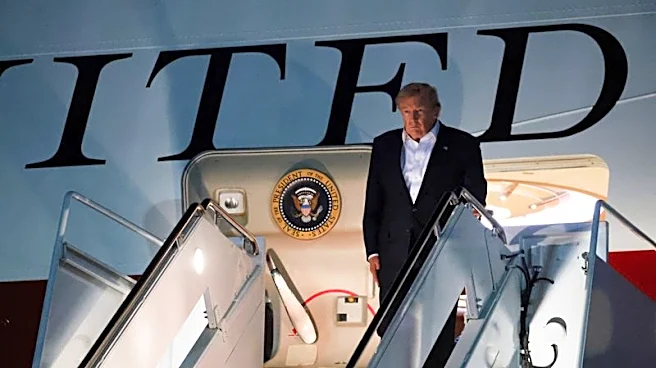
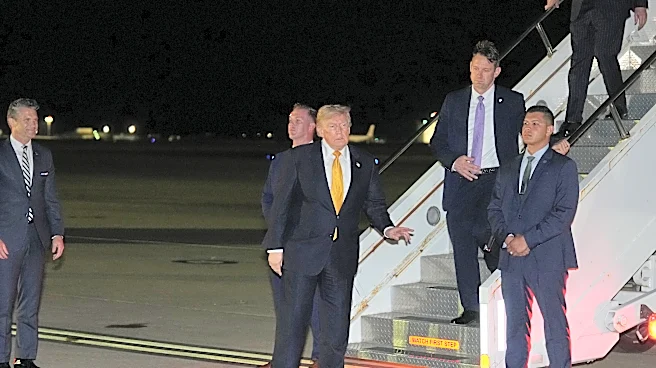
President Donald Trump reportedly executed a covert departure from Ankara, Turkey, following a NATO Summit, due to an alleged Iranian threat on his life. According to a report by The Washington Post, the White House orchestrated an elaborate ruse to make
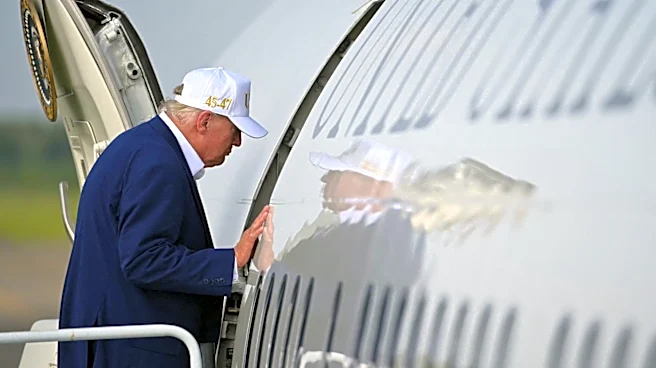
it appear that Trump was flying on Air Force One. In reality, he took a secret flight on an alternate military aircraft. Journalists and White House staff were led to believe they were on the same flight as the president, with instructions to keep their window shades closed. Trump later explained the need for secrecy, citing constant threats against him.
Why It's Important?
This incident underscores the ongoing security challenges faced by high-profile political figures, particularly in volatile geopolitical contexts. The use of decoy tactics highlights the lengths to which security teams must go to protect leaders from credible threats. The situation also reflects the complex diplomatic relations between the U.S. and Iran, where tensions can manifest in direct threats to national leaders. Such measures are indicative of the broader security protocols that may be necessary in international diplomacy.
What's Next?
The White House's handling of this situation may prompt discussions on the adequacy of current security measures for U.S. officials abroad. It could also lead to further scrutiny of U.S.-Iran relations and the potential for diplomatic or military responses to perceived threats. The incident may influence future travel protocols for the president and other high-ranking officials, emphasizing the need for innovative security strategies.