




What's Happening?
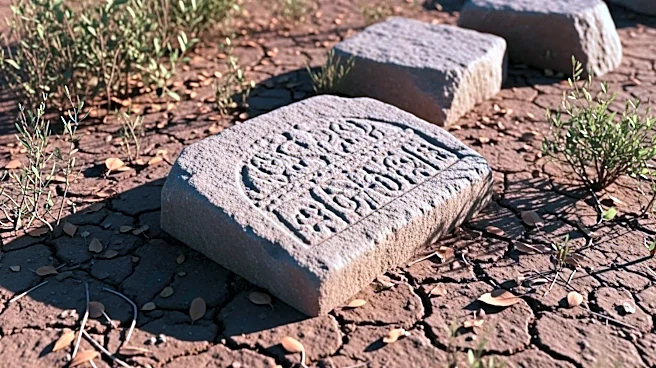
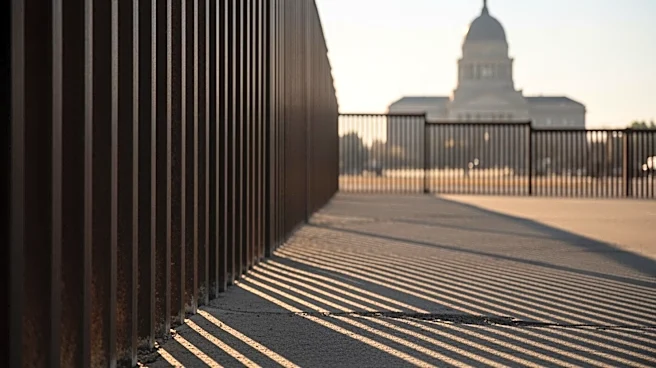
Indigenous leaders have raised concerns over the construction of the U.S.-Mexico border wall, which they claim is desecrating sacred sites. The construction, particularly on Kuuchamaa Mountain, also known as Tecate Peak, has involved blasting and bulldozing,
which tribal leaders argue violates cultural and religious freedoms. The U.S. Department of Homeland Security has waived environmental and cultural laws to expedite the construction, leading to the destruction of sites significant to Native American tribes. The Kumeyaay Nation, among others, has expressed that these actions are an affront to their cultural heritage, as the mountain holds spiritual significance and is considered a healer and psychologist in their traditions.
Why It's Important?
The construction of the border wall has broader implications for Indigenous rights and environmental protection. The waiving of cultural and environmental laws sets a precedent that could undermine the protection of sacred sites across the U.S. The destruction of these sites not only affects the cultural heritage of Indigenous communities but also raises questions about the federal government's commitment to upholding religious freedoms and environmental conservation. The situation highlights the ongoing tension between national security measures and the preservation of cultural and natural resources, impacting the relationship between the government and Indigenous tribes.
What's Next?
Indigenous leaders are considering legal action to halt the construction and protect their sacred sites. Meetings with Homeland Security officials have been held, but the intent to continue building the wall remains strong. The Kumeyaay Nation and other tribes are likely to pursue further advocacy and legal avenues to challenge the construction. The outcome of these efforts could influence future policies regarding the balance between national security and the protection of cultural heritage.
Beyond the Headlines
The issue underscores the complex relationship between the U.S. government and Indigenous tribes, particularly regarding land rights and cultural preservation. The destruction of sacred sites could lead to long-term cultural loss for Indigenous communities, affecting their identity and traditions. Additionally, the environmental impact of the construction could have lasting effects on local ecosystems, further complicating the debate over the border wall's necessity and impact.