



What's Happening?
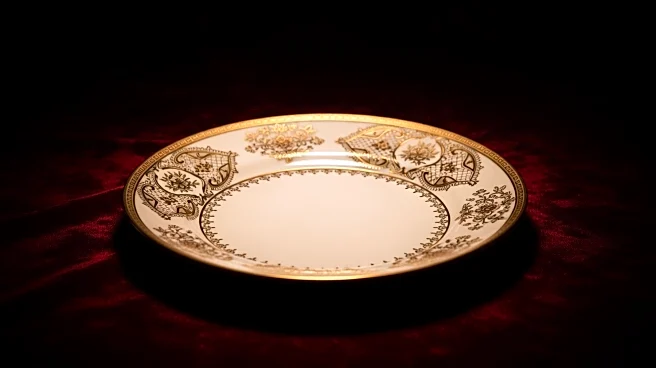
A rare Chinese plate, initially purchased for $4.99 at a Goodwill store in Illinois, was sold for $4,064 at a Sotheby's auction in New York. John Carcerano, who discovered the plate, has been involved in buying and selling antiques for 35 years. The plate, identified
as a 'very rare Chinese export famille-rose Jewish armorial chamfered rectangular platter' from the Qing dynasty's Qianlong period, was authenticated by specialists before being auctioned. Despite its sale in a Judaica auction, Carcerano believed it could have fetched a higher price in a Chinese porcelain auction. The plate's sale was part of Carcerano's strategy to invest in silver, which he anticipates will yield significant returns.
Why It's Important?
This story highlights the potential value hidden in everyday thrift store finds, emphasizing the importance of expertise in identifying and authenticating antiques. The sale underscores the unpredictable nature of auctions and the strategic decisions collectors must make regarding when and where to sell items. For Carcerano, the sale represents not just a financial gain but a step towards a larger investment strategy in silver, reflecting broader trends in personal finance and investment. The auction also illustrates the global interest in rare artifacts, as the winning bid came from an online participant, potentially from abroad.
What's Next?
Carcerano plans to use the proceeds from the sale to invest in silver, anticipating a rise in its value. This decision reflects a broader trend among collectors and investors seeking alternative assets amid economic uncertainties. The auction's outcome may encourage other collectors to explore similar avenues for selling rare items, potentially leading to increased activity in the auction market. Additionally, the unique nature of the plate's sale in a Judaica auction could inspire auction houses to consider more diverse categories for future sales.