


What's Happening?
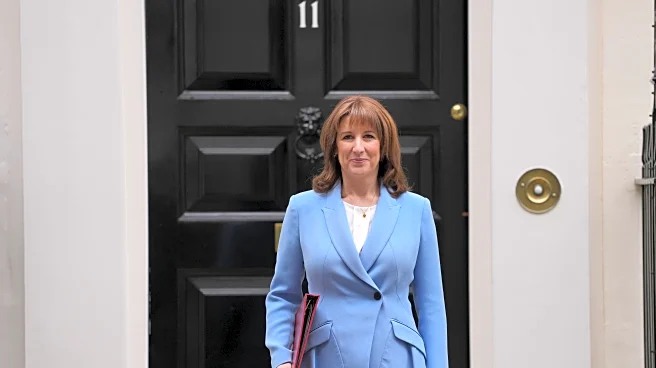
The recent Spring Statement delivered by Rachel Reeves has provided UK retailers with a set of economic forecasts that suggest a steadier financial outlook, yet it offers little immediate relief from the ongoing cost pressures affecting their margins.
The Office for Budget Responsibility (OBR) has warned that geopolitical shocks could quickly disrupt this outlook. The statement highlighted a slight improvement in fiscal headroom, now at £23.6 billion, but did not propose any tax changes. The OBR projects GDP growth to slow to 1.1% in 2026, with a slight recovery expected in subsequent years. Inflation is forecasted to decrease from 3.4% in 2025 to 2.3% in 2026, reaching the 2% target by late 2026. However, unemployment is expected to peak at 5.3%. Retailers are facing a challenging environment where easing inflation does not translate into a reset, and the ability to pass on cost increases to consumers remains limited.
Why It's Important?
The Spring Statement's implications are significant for the retail sector, which is grappling with weak pricing power and persistent operating costs. The lack of substantial cost relief means that retailers must continue to navigate a landscape where demand is steady rather than strong, impacting fulfillment and delivery economics. The statement's failure to address key issues such as fuel and energy costs, as well as the need for extended business rates relief, leaves retailers vulnerable to ongoing financial pressures. The potential for escalating conflict in the Middle East to affect energy prices further complicates the economic outlook, posing a risk to any improvements in inflation and consumer confidence. The retail sector's ability to invest in communities and support local economies is hindered by these challenges, underscoring the need for government intervention to reduce the cost of doing business.
What's Next?
Retailers are likely to continue advocating for government action to address the cost of doing business, particularly in terms of business rates and employment costs. The sector may also push for reforms to the Employment Rights Act to avoid additional financial burdens. As the current business rates relief is set to be unwound, the focus will remain on securing further support for the hospitality, retail, and leisure sectors. The potential for geopolitical tensions to impact energy prices will be closely monitored, as this could have significant implications for inflation and consumer spending. Retailers will need to adapt their strategies to manage these risks while seeking opportunities to invest in their operations and communities.
Beyond the Headlines
The Spring Statement highlights the broader economic challenges facing the UK, with fragile growth and rising unemployment posing risks to job security and living standards. The retail sector's struggle with cost pressures reflects wider issues in the economy, where businesses are cutting back and consumer confidence remains weak. The statement's emphasis on stability and fiscal headroom may provide some reassurance, but the lack of concrete measures to address immediate cost concerns leaves retailers in a precarious position. The need for a comprehensive overhaul of the business rates system and targeted support for key sectors is evident, as is the importance of fostering an environment where businesses can invest confidently in their future.