







What's Happening?
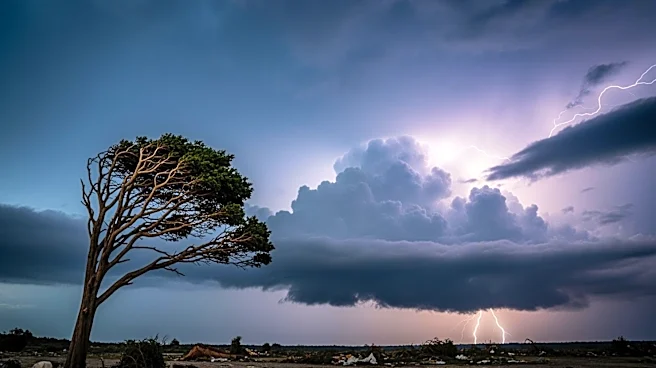
In Joplin, Missouri, the trauma from the devastating tornado that struck in 2011 continues to affect residents nearly 15 years later. According to Karl Stammer, a psychiatric nurse practitioner at Hope Spring, the emotional scars remain particularly deep
for those who directly experienced the tornado's destruction. Many survivors have sought therapy or spoken with others about their experiences, but some have internalized their trauma, leading to strong emotional reactions during storm seasons. Triggers such as storm sirens, weather warnings, and media coverage can evoke intense memories and stress. Stammer emphasizes the importance of talking through these experiences as a means of processing trauma, suggesting that repeated storytelling can help survivors organize their thoughts and find some relief.
Why It's Important?
The ongoing trauma faced by Joplin residents highlights the long-term psychological impact of natural disasters. This situation underscores the need for sustained mental health support for disaster survivors, as the emotional aftermath can persist for years. The Joplin tornado serves as a case study for understanding how communities can better prepare for and respond to the mental health needs following such events. It also raises awareness about the importance of accessible mental health services and the role of community support in recovery. The broader implication is a call to action for policymakers and mental health professionals to prioritize resources and strategies that address the enduring effects of trauma in disaster-affected areas.
What's Next?
As storm seasons continue to trigger emotional responses, there is a need for ongoing mental health interventions in Joplin. Community leaders and mental health professionals may consider implementing more comprehensive support systems, including therapy sessions, support groups, and educational programs about trauma and coping mechanisms. Additionally, there may be efforts to increase public awareness about the signs of PTSD and the importance of seeking help. Future initiatives could also focus on training local therapists and counselors to better address the specific needs of disaster survivors, ensuring that those affected by the tornado receive the care and support necessary for long-term recovery.