
What's Happening?
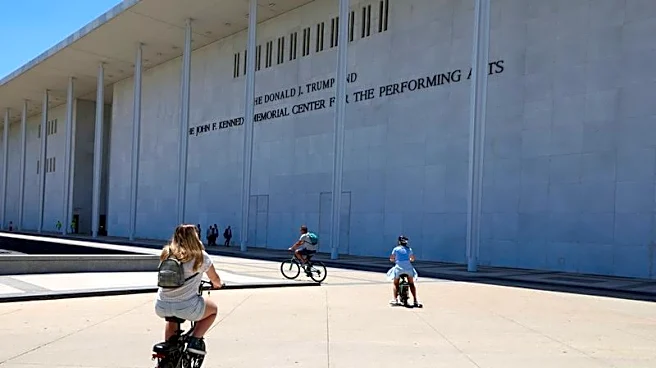
A D.C. Superior Court judge has dismissed a breach of contract lawsuit filed by the Kennedy Center against musician Chuck Redd. The lawsuit was initiated after Redd canceled a Christmas Eve performance
at the venue, protesting President Trump's influence over the Kennedy Center. The dismissal was granted under Washington's Anti-SLAPP laws, which aim to prevent lawsuits that suppress free speech on public interest matters. Redd, known for his work with jazz legends like Dizzy Gillespie, had been a regular performer at the Kennedy Center's holiday 'Jazz Jams' since 2006. He canceled his performance following the decision by the Trump-appointed board to add the president's name to the venue. Redd's legal team argued that he was not contractually obligated to perform, as he had not signed the provided contract. The court's decision was seen as a victory for Redd, who expressed satisfaction with the ruling.
Why It's Important?
The dismissal of the lawsuit highlights the ongoing tensions between artistic expression and political influence. The case underscores the potential for legal actions to be used as tools of political retribution, particularly in high-profile cultural institutions like the Kennedy Center. The ruling may set a precedent for similar cases where artists face legal challenges for taking political stances. It also reflects broader societal debates about the role of politics in cultural and public spaces. The decision could embolden other artists to express dissent without fear of legal repercussions, potentially influencing how cultural institutions navigate political affiliations and expressions.
What's Next?
While the lawsuit has been dismissed, the Kennedy Center may need to reassess its policies regarding political affiliations and the naming of its venues. The case could prompt discussions within the arts community about the balance between artistic freedom and political influence. It remains to be seen how the Kennedy Center will respond to the court's decision and whether it will impact future programming or board decisions. The outcome may also influence other cultural institutions facing similar challenges, potentially leading to policy changes that prioritize artistic integrity over political considerations.