



What's Happening?
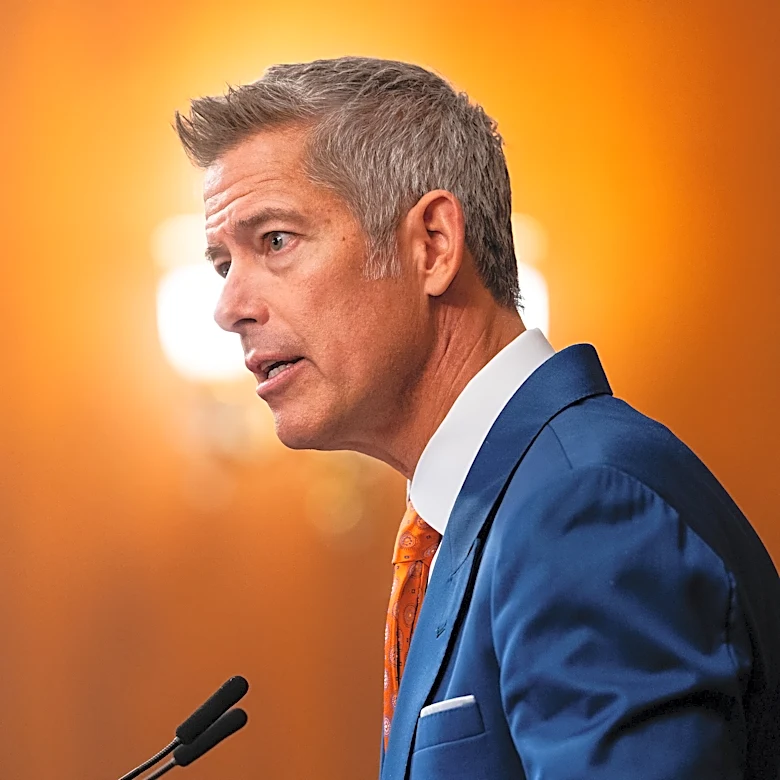
Co-Chairman Chris Smith (R-NJ) delivered an opening statement at the Tom Lantos Human Rights Commission's hearing titled 'Worldwide Persecution of Christians: Responding to New Challenges' on November 18, 2026. This hearing marks a continuation of efforts
initiated in 1996 to address the pervasive discrimination, torture, and deaths faced by Christian believers globally. Smith emphasized that religious freedom is a universal human right, belonging to everyone regardless of their faith. He highlighted the unique and widespread nature of Christian persecution, noting that over 388 million Christians worldwide experience high levels of persecution and discrimination, according to Open Doors' 2026 World Watch List. The perpetrators are diverse, ranging from extremist movements and authoritarian states to hostile societies and non-state actors like terrorist organizations. Smith also pointed out that persecution is not limited to regions traditionally associated with extremism but is increasingly seen in ostensibly neutral, liberal states through restrictive laws and regulations.
Why It's Important?
The hearing underscores the U.S. government's ongoing concern with religious freedom as a cornerstone of human rights and its commitment to addressing global persecution. The scale of Christian persecution, affecting more than one in seven Christians worldwide, presents a significant humanitarian challenge. For the U.S., this issue impacts foreign policy, diplomatic relations, and the allocation of humanitarian aid. The diverse sources of persecution, including state actors and non-state groups, complicate international efforts to protect religious minorities. The discussion about restrictions in liberal states also raises important questions about the balance between secular governance and religious expression, potentially influencing how the U.S. advocates for religious freedom in various political contexts. The focus on new challenges suggests an evolving understanding of persecution, requiring adaptive strategies from the U.S. and its allies.
What's Next?
The hearing aims to identify new threats to Christians and evaluate effective responses and tools for their defense. The U.S. has a range of instruments at its disposal, including diplomacy, international religious freedom reporting and designations, humanitarian assistance, and legislative measures. The challenge lies in adapting these tools to specific circumstances, as what works in one setting may be ineffective in another. Future actions will likely involve continued engagement with governments and religious leaders, support for displaced communities, and collaboration with organizations working directly with persecuted groups. The insights gained from this hearing will inform future U.S. policy and legislative efforts to combat religious persecution globally, with a particular focus on protecting Christian communities.
Beyond the Headlines
The discussion extends beyond immediate policy responses to touch upon deeper ethical and cultural dimensions. Co-Chairman Smith's reference to the book 'Tortured for Christ' by Reverend Richard Wurmbrand highlights the enduring resilience and faith of persecuted communities. This historical context emphasizes that the struggle for religious freedom is not new but continues to manifest in various forms. The hearing also implicitly raises questions about the role of international bodies and civil society in monitoring and responding to religious persecution. The idea that persecution can occur through 'gradual erosion' of a community's ability to sustain its religious institutions, rather than just overt violence, points to a more subtle and insidious form of oppression that requires nuanced understanding and response. This broader perspective suggests a need for continuous vigilance and adaptation in defending universal human rights.