





What's Happening?
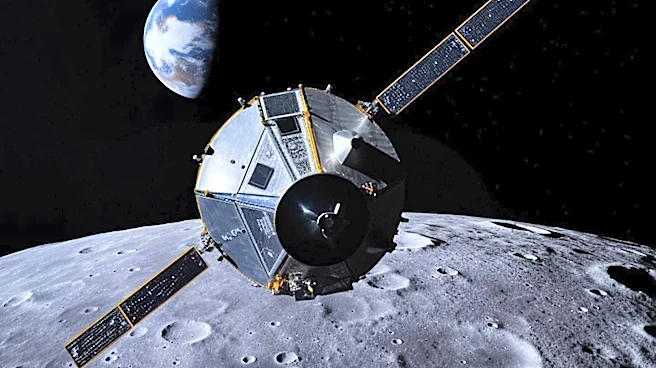
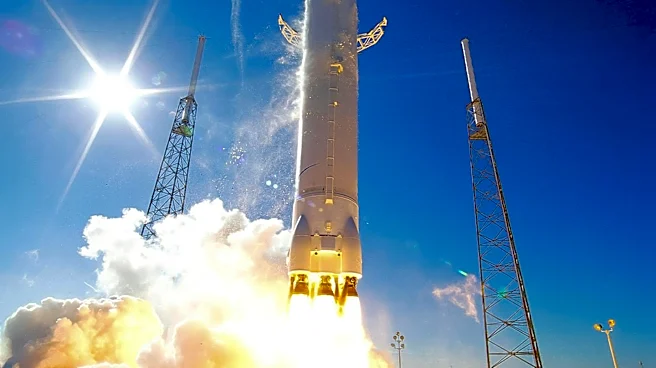
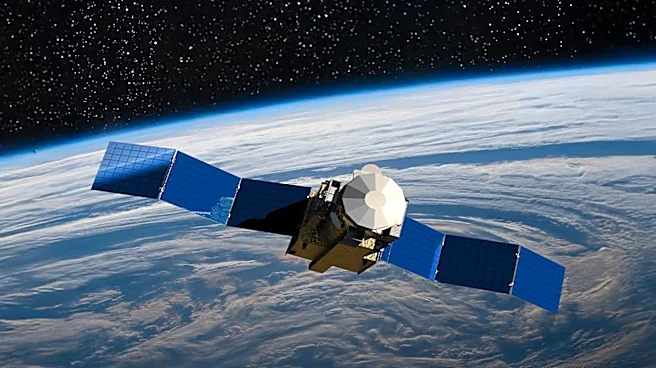
Katalyst Space's LINK spacecraft is undergoing in-orbit preparations to boost NASA's Neil Gehrels Swift Observatory to a higher altitude. The LINK spacecraft, which launched on July 3, has completed its initial post-launch sequence and system checkouts,
including solar array deployment and communication establishment. The spacecraft's power systems and avionics have been commissioned, and propulsion system checkouts have been conducted using xenon-fueled thrusters. The Katalyst team addressed early communication and attitude control issues, implementing software patches to restore reliable operations. The commissioning process will continue over the coming weeks, with the spacecraft set to begin its transit phase to meet up with the Swift Observatory.
Why It's Important?
The mission to boost the Swift Observatory is significant for maintaining and enhancing the observatory's capabilities in space. By raising its orbital altitude, the observatory can continue its mission of observing gamma-ray bursts and other cosmic phenomena. The successful commissioning and operation of the LINK spacecraft demonstrate the potential for robotic servicing missions to extend the life and functionality of existing space assets. This approach could lead to more sustainable and cost-effective space operations, reducing the need for new satellite launches and maximizing the use of current infrastructure.
What's Next?
As the commissioning process continues, the Katalyst team will monitor the spacecraft's systems and make any necessary adjustments. Once the LINK spacecraft begins its transit phase, it will gradually raise the Swift Observatory's altitude over several months. The mission's progress will be closely followed, with updates provided on NASA's Swift blog. The success of this mission could pave the way for future robotic servicing missions, potentially revolutionizing how space agencies manage and maintain their satellite fleets.