






What's Happening?
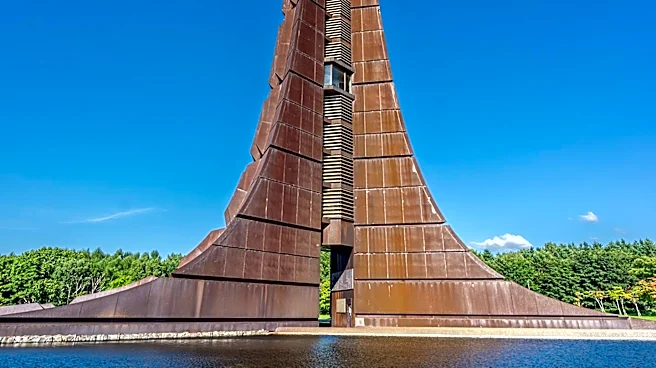
A new monument titled "Earth Rise" has been unveiled near NASA's Johnson Space Center in Houston, Texas, dedicated to honoring Black trailblazers who have significantly contributed to the U.S. space program. The monument recognizes eight individuals and
groups, including former NASA Administrator and Astronaut Charles Bolden Jr., Ed Dwight, Robert Henry Lawrence Jr., George Robert Carruthers, Ruth Bates Harris, NASA Astronaut Group 8, Dr. Bernard Harris Jr., and Sunita Williams. Located on the grounds of St. Thomas the Apostle Episcopal Church in Nassau Bay, the $125,000 monument was funded by the John and Joseph Talbot Fund of the Episcopal Diocese of Texas. Reverend Mike Stone of St. Thomas the Apostle Episcopal Church stated that the monument aims to share the stories of these "hidden figures" and promote racial reconciliation and diversity.
Why It's Important?
This monument holds significant importance for U.S. society and the space industry by publicly acknowledging the often-overlooked contributions of Black individuals and underrepresented groups to NASA's achievements. It serves as a powerful symbol of diversity and inclusion, challenging historical narratives that have frequently marginalized the roles of people of color in scientific and technological advancements. By highlighting these trailblazers, the monument aims to inspire future generations, particularly women and people of color, to pursue careers in STEM fields and space exploration. This initiative aligns with broader national efforts to promote equity and recognize the diverse talent that has shaped and continues to shape American innovation and leadership in space.
What's Next?
The monument is free and open to the public year-round, ensuring ongoing accessibility for visitors to learn about these historical figures. Its presence near a major NASA facility is expected to foster greater awareness and dialogue about diversity within the space community and beyond. The message of "We can do more together" inscribed on the monument suggests a continued push for collaborative efforts and inclusive practices within the Diocese of Texas and potentially other institutions. This initiative may encourage similar recognitions of underrepresented groups in other scientific and historical contexts across the U.S., further enriching the national narrative of achievement and progress.
Beyond the Headlines
Beyond its immediate recognition of individuals, the "Earth Rise" monument delves into deeper societal implications regarding memory, representation, and the construction of public history. It challenges the conventional imagery associated with space exploration, moving beyond figures like Neil Armstrong and Buzz Aldrin to include a more diverse array of heroes. This act of public art serves as a statement about who is remembered and celebrated in public spaces, advocating for a more inclusive and accurate portrayal of American history. The monument's emphasis on racial reconciliation and the idea that "diversity is our strength" underscores a cultural shift towards valuing varied perspectives and experiences as essential for collective progress and innovation, particularly in critical sectors like space technology.