


What's Happening?
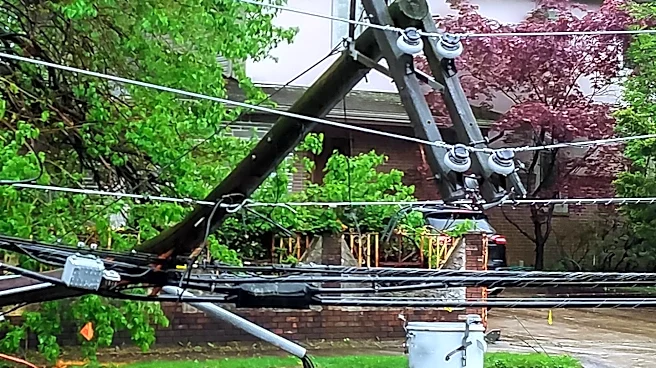
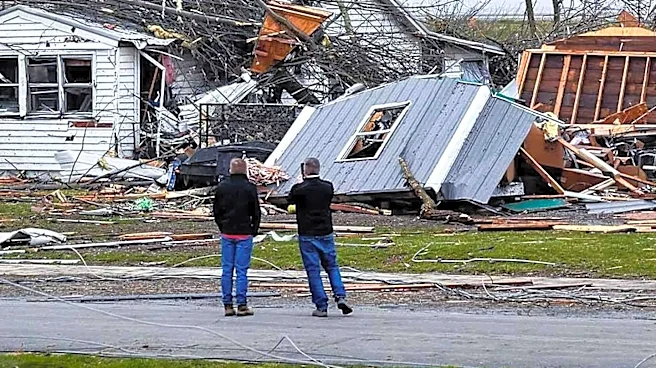
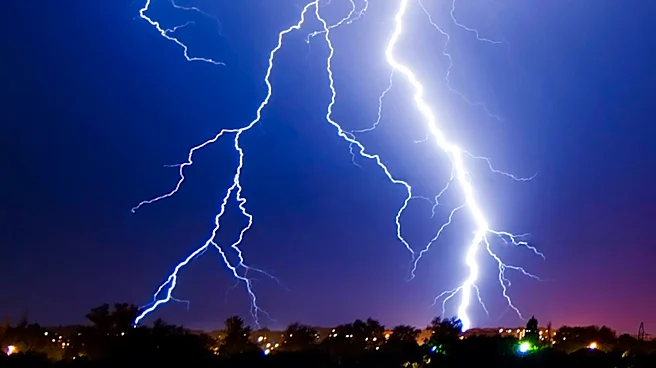
An Indiana statehouse committee conducted a marathon seven-hour meeting to investigate NIPSCO's response to an August 11 derecho and the subsequent mass power outages that affected Northwest Indiana residents. The Interim Study Committee on Energy, Utilities
and Telecommunications, chaired by State Rep. Ed Soliday, reviewed the utility's preparedness and response. NIPSCO President and COO Vince Parisi stated that 99% of customers had power restored by day 12, but acknowledged that these statistics don't matter to those without service for weeks. Gary Mayor Eddie Melton testified about the storm's impact on the city, including an estimated $8 million in cleanup costs and prolonged outages. United Steelworkers Local 12775 President Ryan Baker raised concerns about a 20% decrease in NIPSCO linemen over recent years, suggesting that more workers could have expedited power restoration. The committee passed a report with recommendations for future legislation, including requiring utilities to submit written emergency power restoration procedures and for the Indiana Utility Regulatory Commission (IURC) to conduct biennial field audits of vegetation management.
Why It's Important?
This investigation is critically important as it addresses the reliability and resilience of essential utility infrastructure in the face of extreme weather events, a growing concern across the U.S. The prolonged power outages in Northwest Indiana highlight vulnerabilities in NIPSCO's system and emergency response protocols. The committee's recommendations, if enacted into law, could significantly enhance consumer protection and utility accountability, potentially leading to improved preparedness and faster restoration times during future disasters. The testimony regarding the reduction in linemen raises questions about staffing levels and their impact on service quality, a common issue in the utility sector. Furthermore, the concerns about communication failures during the outage underscore the need for transparent and timely information dissemination to affected communities, which is vital for public safety and trust. This event could set a precedent for how state legislatures scrutinize utility performance and mandate improvements.
What's Next?
The report passed by the committee, containing recommendations for future Indiana General Assembly legislation, will now move forward for consideration. These recommendations include mandating written emergency power restoration procedures for utilities and biennial field audits of vegetation management by the IURC. The IURC is also conducting its own investigation into NIPSCO's response, with plans for field hearings in Northwest Indiana to gather individual stories from affected residents. NIPSCO has stated it is actively reviewing its response and engaging a third-party firm to evaluate its actions, indicating potential internal changes and investments in its electric system. The legislative process will determine which recommendations become law, potentially leading to new regulations and increased oversight for utility companies in Indiana, with implications for how other states might address similar issues.
Beyond the Headlines
The NIPSCO investigation touches upon broader issues of infrastructure resilience, corporate responsibility, and the impact of private equity ownership on public utilities. Matt Parr of the Private Equity Stakeholder Project raised concerns about Blackstone's approximately 20% ownership stake in NIPSCO, highlighting the firm's financial interests in various parts of the electrical system, including data centers and disaster recovery firms. This raises ethical questions about potential conflicts of interest and whether such influence impacts workforce, maintenance, reliability, and investment decisions. The incident also underscores the increasing frequency and intensity of extreme weather events due to climate change, placing greater strain on aging infrastructure. The prolonged outages and the struggles of critical regional infrastructure, like the Gary Sanitary District's wastewater treatment facility, reveal systemic vulnerabilities that require comprehensive, long-term solutions beyond immediate storm response, prompting a re-evaluation of infrastructure investment and utility oversight.