




What's Happening?
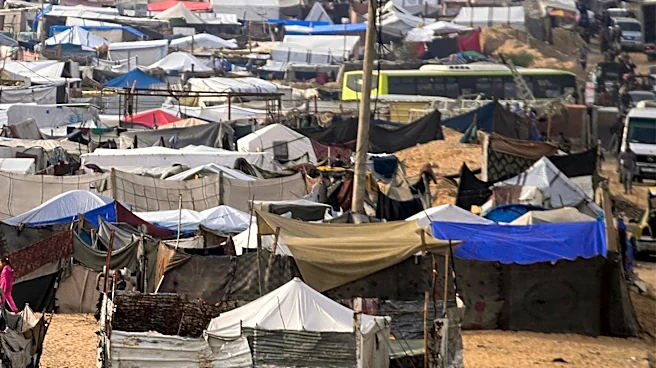
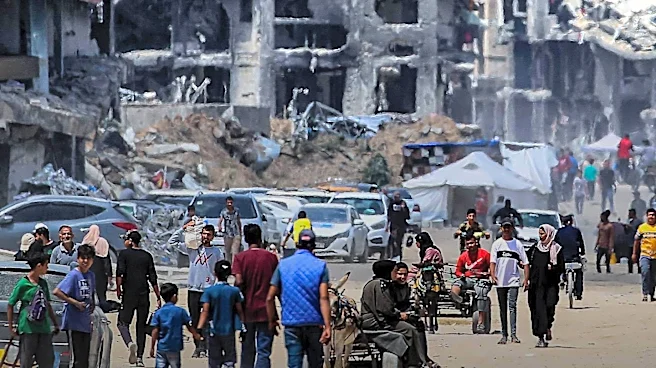
Singapore has launched a new humanitarian network, 'SG for Humanity,' aimed at strengthening its aid efforts in Gaza. This initiative brings together established non-profit organizations and the government to improve the delivery of humanitarian assistance.
The network will facilitate collaboration among local groups and connect them with overseas humanitarian partners. The government will support these efforts by engaging with foreign authorities and humanitarian organizations, ensuring aid reaches those most in need. Acting Minister-in-charge of Muslim Affairs Zaqy Mohamad announced the network alongside Minister of State for Foreign Affairs Zhulkarnain Abdul Rahim and Minister of State for Culture, Community and Youth Baey Yam Keng. Initially, four groups—Humanity Matters (HM), Mercy Relief (MR), Rahmatan Lil Alamin Foundation (RLAF), and Singapore Red Cross (SRC)—will be involved. These groups have been active in Gaza since the conflict began in October 2023, providing relief supplies, mobile clinics, psychosocial assistance, education, water, and sanitation. The initiative also seeks to expand opportunities for Singaporeans to contribute their expertise, fundraise, or volunteer.
Why It's Important?
The establishment of SG for Humanity is significant as it addresses critical gaps in humanitarian aid delivery to Gaza, particularly concerning last-mile distribution and navigation of complex border controls. By formalizing collaboration between the government and non-profit organizations, Singapore aims to enhance the efficiency and effectiveness of its aid missions. This structured approach can help overcome logistical challenges and security concerns that aid groups have previously encountered. The government's involvement in facilitating engagement with foreign authorities, such as those in Egypt, which plays a central role in aid facilitation, is expected to streamline the process. Furthermore, the initiative seeks to galvanize broader public participation, allowing medical professionals and other volunteers to contribute their skills in a more organized and secure manner. This could lead to a more sustained and impactful humanitarian response from Singapore, potentially inspiring similar coordinated efforts from other nations facing complex aid delivery challenges.
What's Next?
Acting Minister-in-charge of Muslim Affairs Zaqy Mohamad is scheduled to visit Egypt in the coming weeks to meet with Egyptian authorities and humanitarian partners. During this visit, discussions will focus on strengthening Singapore's aid efforts and expanding their reach through partnerships with organizations like the Palestinian Red Crescent, Egyptian Red Crescent, and various UN bodies. More aid organizations are expected to join the SG for Humanity network in the future, and the initiative may be replicated for humanitarian efforts in other global regions. The Ministry of Culture, Community and Youth (MCCY) will announce further details on SG for Humanity’s upcoming initiatives in due course. The network also aims to create more awareness among Singaporeans about the work of aid organizations and encourage greater public involvement in humanitarian efforts.
Beyond the Headlines
This initiative reflects a growing recognition of the complexities involved in delivering humanitarian aid in conflict zones and the need for a more integrated approach. By bringing together governmental resources and the on-the-ground experience of non-profit organizations, Singapore is attempting to create a model for effective international humanitarian response. The emphasis on strengthening last-mile delivery and navigating border controls highlights the practical challenges that often impede aid efforts, even when funding and supplies are available. Furthermore, the initiative's focus on broadening opportunities for citizen participation, including medical professionals, underscores a shift towards leveraging diverse national capabilities in humanitarian diplomacy. This could set a precedent for how nations engage in global humanitarian crises, moving beyond financial contributions to include strategic coordination and skilled volunteer deployment, thereby enhancing both the impact of aid and national soft power.