



What's Happening?
The ongoing conflict in Iran has significantly disrupted the global supply of fertilizers, particularly those passing through the Strait of Hormuz, a critical chokepoint for global trade. This disruption has led to a sharp increase in the prices of key
fertilizer ingredients such as ammonia, phosphorus, and potassium. The conflict has also driven up fuel costs, further complicating the agricultural supply chain. Experts warn that even if the conflict were to end soon, the impact on global food systems is already underway, with potential long-term effects on grocery prices worldwide. The situation is exacerbated by existing global pressures, including the war in Ukraine, which has already strained global food supplies.
Why It's Important?
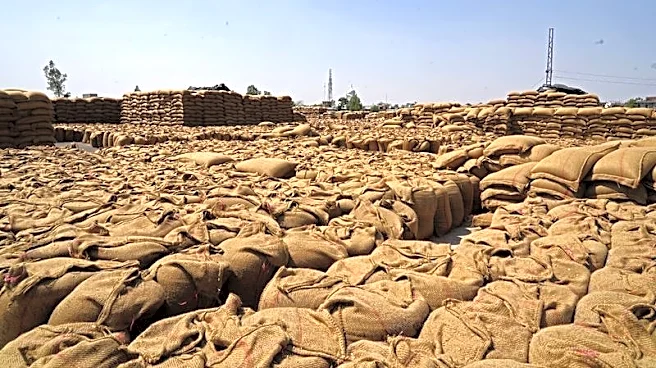
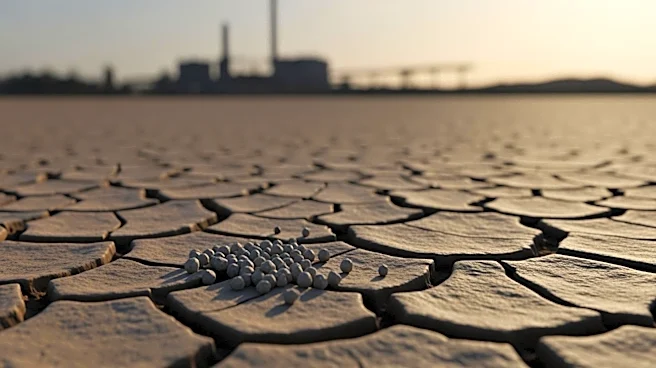
The disruption in fertilizer supply is likely to lead to smaller harvests of staple crops like corn, wheat, and rice, which are essential for both human consumption and animal feed. This could result in persistently higher grocery bills for consumers worldwide. In the U.S., while empty shelves are not expected, the increase in food prices could be significant, potentially adding $100 or more to a typical household's monthly budget. The situation highlights the vulnerability of global food systems to geopolitical conflicts and the interconnectedness of global supply chains. The potential for countries to restrict exports in response to shortages could further exacerbate the situation, particularly in regions already facing food insecurity.
What's Next?
If the conflict continues, the impact on global food prices could deepen, with potential ripple effects on global grain stockpiles. Analysts warn that the disruption to this year's harvests may already be locked in, with the full impact yet to be felt in grocery aisles. There is also concern that if countries begin hoarding supplies or restricting exports, it could lead to further deterioration in the ability to meet daily caloric needs, especially in vulnerable regions. The situation calls for coordinated international efforts to stabilize supply chains and ensure food security.