



What's Happening?
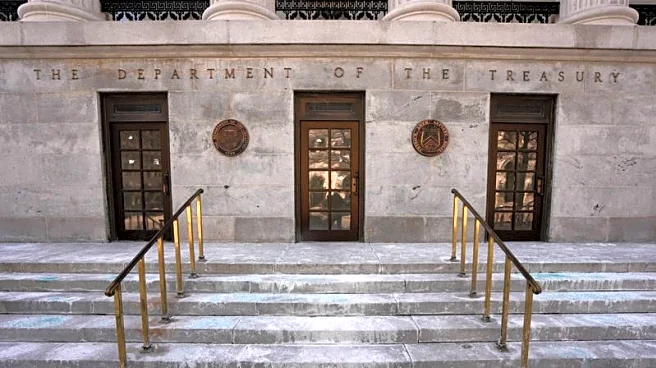
The Trump administration has announced a significant shift in the management of the United States' $1.7 trillion federal student loan portfolio. This transition will move the responsibility from the Department of Education to the Department of the Treasury.
Under a new interagency agreement, the Treasury will take over the collection of payments from borrowers in default and eventually manage the entire loan system. This change will also transfer core functions of the Education Department’s Federal Student Aid office, including the administration of FAFSA and major aid programs, to the Treasury. The transition is planned to occur in multiple phases to minimize disruptions. Secretary of Education Linda McMahon described this move as a historic step towards improving the administration of federal student aid programs. Treasury Secretary Scott Bessent emphasized the Treasury's capability to bring financial discipline to the program. Borrowers are advised that no immediate action is required on their part during this transition.
Why It's Important?
This transition marks a significant restructuring of how federal student loans are managed in the U.S., potentially affecting millions of borrowers. By shifting management to the Treasury, the Trump administration aims to address what it perceives as mismanagement by the Department of Education. This move could lead to more stringent financial oversight and potentially impact how student loans are serviced and collected. The change is part of a broader effort by the Trump administration to dismantle the Department of Education, arguing for more state-level control over education. However, this decision is likely to face legal challenges, as critics argue it could create confusion and erode public trust. The American Federation of Government Employees has already expressed concerns about the legality of this move and its impact on federal oversight.
What's Next?
As the transition unfolds, the Treasury Department will need to communicate effectively with students, parents, and institutions to ensure a smooth changeover. Legal challenges are anticipated, which could delay or alter the implementation of this new management structure. Stakeholders, including borrowers and educational institutions, will be closely monitoring the impact of this shift on loan servicing and repayment processes. The administration's broader goal of reducing federal oversight in education may also face increased scrutiny and opposition from various groups advocating for federal protections in student lending.