





What's Happening?
Community activists are voicing strong opposition to Maymead Inc.'s proposal to construct an asphalt plant in the Gun Club Industrial Park in Clemmons. Residents have been expressing concerns for months, citing potential environmental and health impacts.
During a recent Winston-Salem City Council meeting, resident Beth Norman highlighted worries about the plant producing chemicals that could trigger asthma in children, emphasizing the potential impact on children across Forsyth County. The issue has garnered national attention, with activist Erin Brockovich publicly criticizing the project. Although the proposed site is already zoned for industrial use, Maymead Inc. still requires an air-quality permit before construction can begin. County environmental officials are scheduled to hold a public hearing on December 1 at 5:30 p.m. at the Clemmons Public Library to make a final decision on the permit.
Why It's Important?
This situation underscores the ongoing tension between industrial development and community health and environmental concerns in the United States. The potential for an asphalt plant to release pollutants raises significant public health questions, particularly regarding respiratory issues like asthma, which could disproportionately affect vulnerable populations such as children. The involvement of a nationally recognized activist like Erin Brockovich amplifies the local concerns to a broader audience, potentially influencing public opinion and regulatory scrutiny. For local governments, balancing economic development with environmental protection and community well-being is a complex challenge. The outcome of the air-quality permit decision will set a precedent for future industrial projects in the region and could influence how similar proposals are evaluated across the nation, particularly in areas with existing industrial zoning.
What's Next?
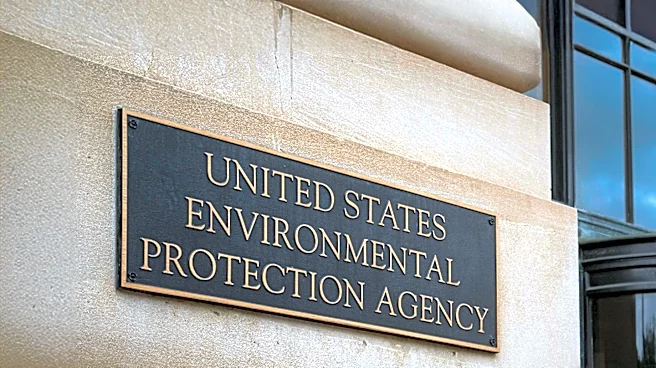
The immediate next step is the public hearing scheduled for December 1 at 5:30 p.m. at the Clemmons Public Library, where county environmental officials will gather input before making a final decision on Maymead Inc.'s air-quality permit. The community's organized opposition, including the presentation of concerns to the Winston-Salem City Council, indicates that activists will likely continue to advocate strongly against the plant's construction. Depending on the permit decision, further legal challenges or protests could arise. If the permit is granted, residents may explore avenues for appeal or seek additional environmental impact assessments. If denied, Maymead Inc. may choose to revise its proposal or pursue alternative locations. The broader implications could include increased public engagement in zoning and environmental permitting processes for industrial projects in the region.