



What's Happening?
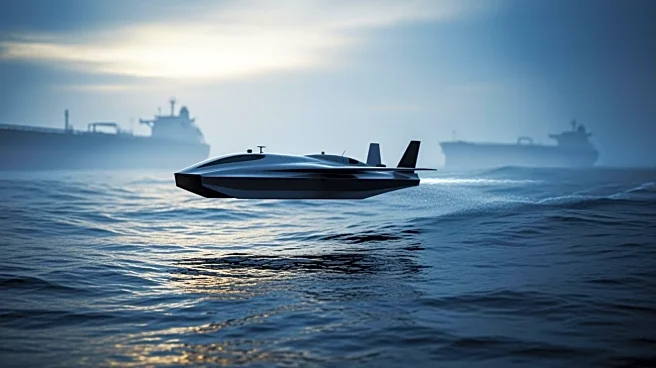
Ukraine has intensified its maritime strategy by using sea drones to target Russian oil exports, particularly focusing on the Black Sea's Novorossiysk port. This strategic shift aims to disrupt the financial infrastructure that supports Russia's war efforts.
According to Glen Howard, president of the Saratoga Foundation, Ukraine's use of unmanned surface vehicles (USVs) marks a significant evolution in naval warfare, targeting the commercial infrastructure rather than just military assets. The recent attacks have rendered several offshore Vapor Processing Units inoperable, affecting Russia's ability to export oil and challenging its economic stability.
Why It's Important?
This development represents a critical escalation in Ukraine's military tactics, potentially altering the balance of power in the Black Sea region. By targeting Russia's economic lifelines, Ukraine is not only impacting the immediate war effort but also exerting pressure on Russia's broader economic capabilities. This strategy could force Russia to reallocate resources to protect its commercial interests, thereby stretching its military defenses. The implications extend beyond the battlefield, as they may influence global oil markets and geopolitical alliances, particularly with countries dependent on Russian oil exports.
What's Next?
The continued use of sea drones by Ukraine could lead to further disruptions in Russian oil exports, potentially prompting a strategic response from Moscow. This might include increased military presence in the Black Sea or diplomatic efforts to mitigate the economic impact. The situation also raises questions about the long-term sustainability of Ukraine's defense strategy and the potential for further escalation. International stakeholders, including the U.S. and European nations, will likely monitor these developments closely, as they could influence future diplomatic and military engagements in the region.