


What's Happening?
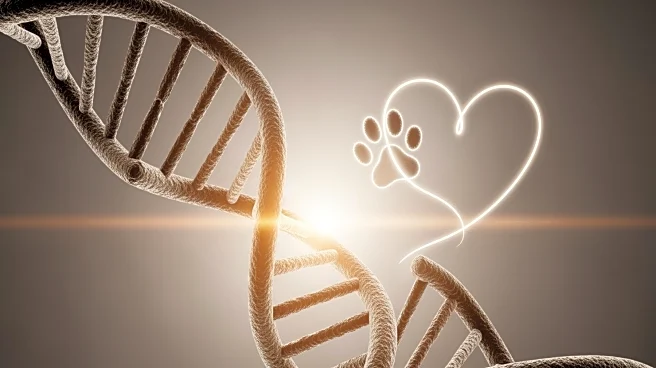
In a recent segment of the 'Pet Project,' Pennsylvania SPCA animal advocate Carol Erickson explored the role of genetics in shaping human relationships with pets. The discussion centered on whether the affection people feel for animals is innate or learned.
Erickson highlighted that genetic predispositions might influence how individuals bond with their pets, suggesting that some people may be naturally inclined to form stronger connections with animals. This perspective adds a new dimension to understanding human-animal relationships, which are often considered purely emotional or based on personal experiences.
Why It's Important?
Understanding the genetic basis of human-animal bonding could have significant implications for pet adoption and animal welfare. If certain individuals are genetically predisposed to form stronger bonds with pets, this knowledge could be used to improve adoption processes, ensuring that pets are placed in homes where they are more likely to thrive. Additionally, this insight could inform therapeutic practices, such as animal-assisted therapy, by identifying individuals who might benefit most from interactions with animals. The findings could also influence public policy and funding for animal welfare programs, emphasizing the importance of considering genetic factors in human-animal interactions.