








What's Happening?
The U.S. Equal Employment Opportunity Commission (EEOC) has designated religious freedom, specifically religious accommodations, as a primary focus area within its National Enforcement Plan. Employers are generally required to provide reasonable accommodations for known
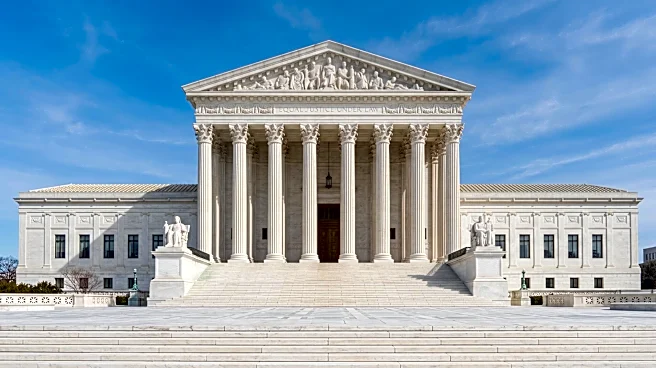
religious beliefs, practices, or observances that conflict with job requirements, provided these accommodations do not impose an undue hardship on the business. This principle, while seemingly straightforward, presents complexities in its application. The EEOC's emphasis follows the Supreme Court's decision in *Groff*, which established a higher standard for employers seeking to claim undue hardship in religious accommodation cases. This development signals increased scrutiny from the EEOC on how employers handle such requests and aims to ensure compliance with federal anti-discrimination laws.
Why It's Important?
This heightened focus by the EEOC on religious accommodations carries significant implications for U.S. employers across all sectors. The *Groff* decision, by raising the bar for proving 'undue hardship,' means that employers will need to be more diligent and flexible in granting religious accommodation requests. Failure to comply could lead to increased litigation, substantial legal costs, and reputational damage. Human Resources departments will need to review and potentially revise their policies and training programs to align with the EEOC's enforcement priorities and the Supreme Court's ruling. This shift underscores the importance of fostering inclusive workplaces that respect diverse religious practices, while also navigating the practical challenges of business operations. Employers who proactively address these issues can mitigate risks and cultivate a more harmonious work environment.
What's Next?
Employers should anticipate increased enforcement actions and guidance from the EEOC regarding religious accommodations. This will likely include more investigations, lawsuits, and educational initiatives aimed at clarifying employer responsibilities. Companies should proactively assess their current religious accommodation policies and practices to ensure they meet the higher standards set by the *Groff* decision and the EEOC's enforcement plan. This may involve training managers and HR staff on how to identify sincerely held religious beliefs, evaluate accommodation requests, and determine what constitutes an undue hardship. Furthermore, employers should be prepared to engage in interactive processes with employees to find mutually agreeable solutions, rather than outright denying requests without thorough consideration. Legal counsel specializing in employment law will be crucial in navigating these evolving requirements.
Beyond the Headlines
The EEOC's focus on religious accommodations reflects a broader societal conversation about diversity, inclusion, and individual rights in the workplace. Beyond legal compliance, the way companies handle religious accommodations can significantly impact employee morale, retention, and public perception. A workplace that genuinely respects and accommodates religious diversity can foster a more inclusive culture, potentially leading to increased employee engagement and productivity. Conversely, missteps in this area can lead to negative publicity, employee grievances, and a perception of intolerance. This emphasis also highlights the ongoing tension between individual religious freedoms and the operational demands of businesses, prompting a re-evaluation of what constitutes a 'reasonable' accommodation in a diverse workforce. The long-term impact could be a more nuanced understanding and application of religious freedom in the American workplace.