



What's Happening?
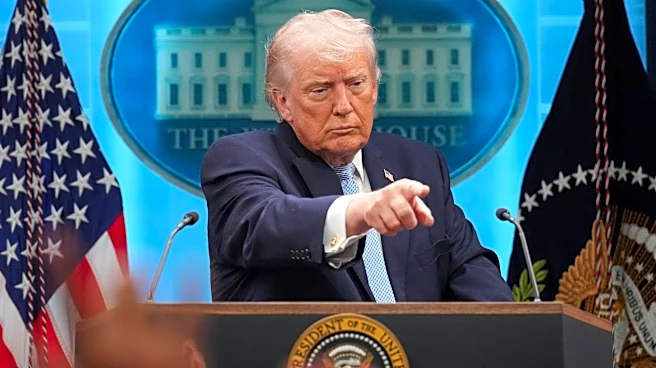
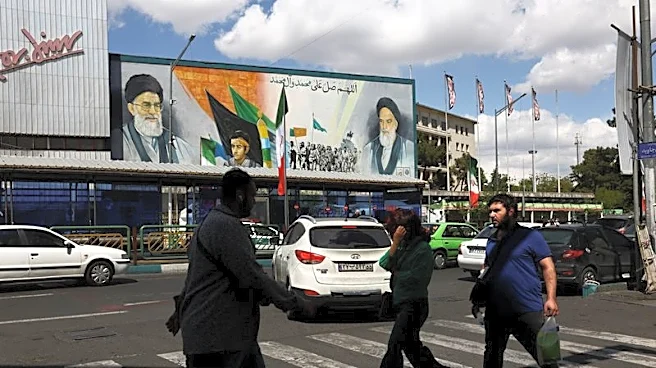
Archbishop Paul S. Coakley, President of the U.S. Conference of Catholic Bishops, has made a public appeal to President Donald Trump, urging him to reconsider his aggressive stance towards Iran. This comes in response to President Trump's threat to 'destroy
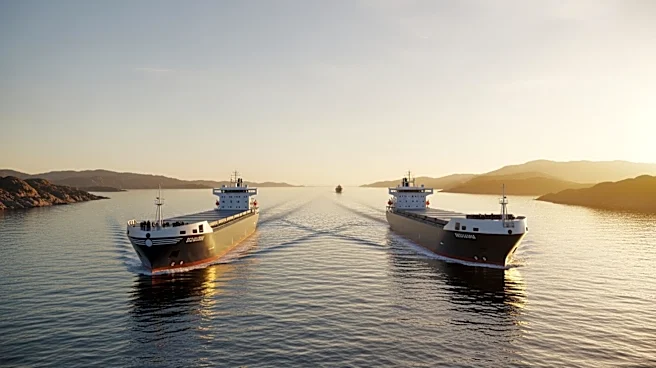
the whole Iranian civilization' if Iran does not comply with his demand to reopen the Strait of Hormuz, a crucial maritime passage for global commerce. Archbishop Coakley emphasized the importance of negotiating a peaceful resolution to avoid further loss of life. He also called for a prayer vigil for peace, aligning with Pope Leo XIV's appeals during Holy Week and Easter, inviting people to join in prayer for global peace.
Why It's Important?
The situation highlights the potential for escalating military conflict between the United States and Iran, which could have significant geopolitical and economic repercussions. The Strait of Hormuz is a vital channel for oil transportation, and any disruption could impact global oil prices and economic stability. Archbishop Coakley's appeal underscores the moral and ethical considerations of engaging in military action, advocating for diplomacy over conflict. The involvement of religious leaders in this discourse reflects the broader societal desire for peace and stability, emphasizing the role of faith communities in influencing public policy and international relations.
What's Next?
The next steps involve monitoring the U.S. administration's response to the appeal from the U.S. Conference of Catholic Bishops. President Trump's decision on whether to pursue diplomatic negotiations or continue with his aggressive rhetoric will be crucial. Additionally, the planned prayer vigil for peace on April 11 may serve as a platform for further advocacy and public engagement on the issue. The international community, including other religious and political leaders, may also weigh in, potentially influencing the direction of U.S.-Iran relations.