



What's Happening?
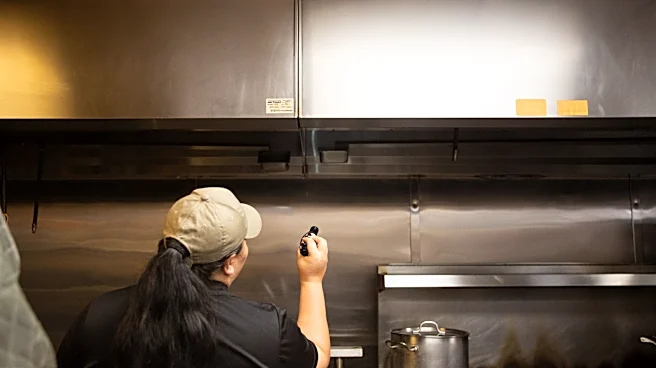
Recent routine inspections of restaurants in Chesterfield, Virginia, have uncovered several food safety violations. At Punjab Kitchen Indian Cuisine, inspectors noted the absence of an employee health policy, diced cooked chicken held at an improper temperature
of 45 degrees on a make table, unlabeled degreaser spray bottles, frozen sauces thawing on a prep table, and mixing spoons stored in 89-degree water. Similarly, at Domoishi, violations included raw pork stored above ready-to-eat imitation crab, raw chicken and fish stored together in a refrigerator and a three-compartment sink, fried chicken wings held at 68 degrees, lack of date marking for prefried chicken, sprouts, and fried chicken wings, reduced-oxygen-packaged raw fish thawing in sealed packaging at room temperature, frozen chicken and fish thawing at room temperature, an open back door for ventilation, fried chicken wings stored in raw chicken cardboard boxes, and heavy grease buildup on hood filters. Additionally, raw shrimp was found thawing on the counter, bottled horchata and juice lacked ingredient labels, and a wet wiping cloth was stored on a prep table.
Why It's Important?
These inspection findings are critical for public health and safety in Chesterfield. Improper food handling, storage, and temperature control, as observed in these restaurants, can lead to the proliferation of harmful bacteria, increasing the risk of foodborne illnesses among patrons. The lack of an employee health policy at one establishment also raises concerns about preventing the spread of illness from staff to customers. Violations such as cross-contamination (raw meat stored above ready-to-eat items, raw chicken in cardboard boxes for cooked food) and thawing practices at room temperature are direct pathways for bacterial growth. For consumers, these reports highlight the importance of regulatory oversight in maintaining food safety standards and underscore the potential risks associated with dining out when such protocols are not strictly followed. For the restaurants involved, these violations can result in fines, mandatory corrective actions, and damage to their reputation, potentially impacting their business significantly.
What's Next?
Following these inspections, the implicated restaurants will likely be required to address all identified violations within a specified timeframe. Health authorities will typically conduct follow-up inspections to ensure compliance with food safety regulations. Depending on the severity and persistence of the violations, restaurants could face further penalties, including temporary closure, until all issues are resolved to the satisfaction of health inspectors. These reports also serve as a public record, which can influence consumer choices and potentially lead to a decline in patronage for the establishments cited. Restaurants are expected to implement corrective measures, such as staff training on proper food handling, storage, and temperature control, as well as improving sanitation practices and equipment maintenance to prevent future occurrences.
Beyond the Headlines
The recurring nature of certain violations across different establishments, such as improper thawing methods and temperature control, suggests a broader need for enhanced food safety education and oversight within the local restaurant industry. This situation could prompt local health departments to increase the frequency of inspections or offer more training resources to food service operators. Beyond immediate compliance, these incidents underscore the ethical responsibility of food establishments to prioritize public health over operational shortcuts. Long-term implications could include a push for more stringent local food safety regulations or increased public awareness campaigns about foodborne illness prevention. For consumers, these reports reinforce the value of transparency in restaurant inspections and the importance of being informed about the food safety practices of establishments they frequent.