


What's Happening?
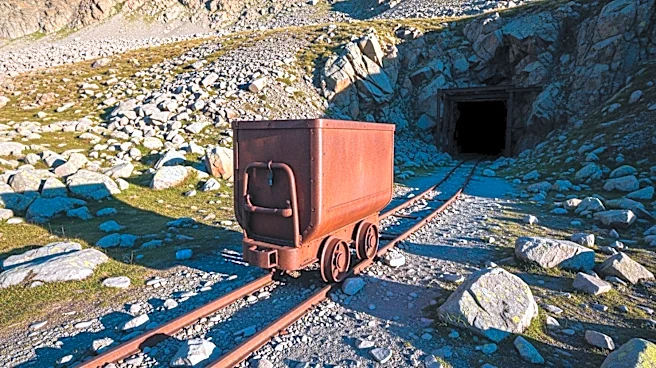
The planned cleanup of the long-abandoned Tulsequah Chief Mine in British Columbia is facing new uncertainties due to a merger between Teck Resources Ltd. and Anglo American PLC. The merger, which creates a new entity called Anglo Teck, has raised concerns
among stakeholders about the timeline and commitment to the cleanup project. The mine, which has been discharging acid mine drainage into the Tulsequah River since its closure in 1957, poses environmental risks to the Taku River, a critical salmon habitat. Despite assurances from project officials that the merger will not affect the cleanup schedule, tribal and environmental leaders have expressed skepticism and are urging for more stringent oversight and international cooperation to address transboundary mining issues.
Why It's Important?
The Tulsequah Chief Mine cleanup is a significant environmental issue with implications for both Canadian and Alaskan ecosystems. The merger of Teck Resources and Anglo American could potentially impact the resources and focus dedicated to the cleanup efforts. The situation underscores the complexities of managing transboundary environmental issues, where actions in one country can have direct consequences on another. The concerns raised by tribal and environmental groups highlight the need for robust international agreements and cooperation to ensure environmental protection and sustainable resource management. The outcome of this situation could set precedents for how similar cross-border environmental challenges are addressed in the future.
What's Next?
As the field season for the Tulsequah cleanup begins, stakeholders will be closely monitoring the actions of Anglo Teck to ensure that commitments to the project are upheld. There may be increased advocacy from environmental and tribal groups for stronger regulatory frameworks and international agreements to safeguard against potential environmental impacts. The Alaska State Affairs Committee and other governmental bodies may also play a role in facilitating dialogue and cooperation between Canadian and U.S. authorities. The situation could lead to policy discussions on how to better manage and mitigate the risks associated with transboundary mining operations.