






What's Happening?
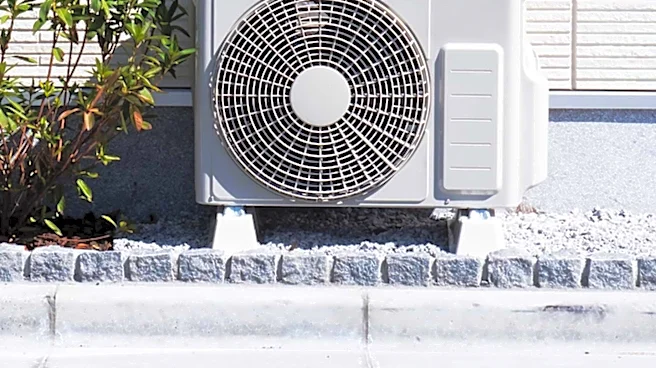
Air conditioning (AC) is saving over 5,000 lives annually in the U.S. by mitigating the effects of extreme heat, according to a study in Nature Health. However, this life-saving technology is simultaneously contributing to global warming and straining
electrical grids. As global temperatures rise and heat waves become more frequent across continents, the demand for AC is skyrocketing. The International Energy Agency and the UN Environment Programme project that electricity demand for cooling will triple. Yale epidemiology professor Kai Chen, a senior author of the study, notes that while AC is essential for saving lives, its reliance on fossil fuels for electricity generation leads to increased carbon emissions. The UN estimates that heat-trapping gas emissions from AC use are expected to rise from 4.5 billion tons to 7.2 billion tons in the next 25 years, a figure nearly equivalent to the current carbon pollution from the U.S. and Europe combined.
Why It's Important?
This situation presents a critical paradox: a technology vital for public health in a warming world is also a significant contributor to the very problem it seeks to alleviate. The U.S. alone sees over 5,000 lives saved annually by AC, particularly in hot states like Arizona, Florida, and Texas. This highlights AC's essential role in preventing heat-related deaths, especially as climate change intensifies. However, the escalating energy consumption for cooling, predominantly powered by fossil fuels, creates a feedback loop that accelerates global warming. This has profound implications for public policy, energy infrastructure, and environmental sustainability. It underscores the urgent need for cleaner energy sources and more energy-efficient cooling technologies to break this cycle. The issue also raises concerns about equity, as vulnerable populations globally often lack access to affordable AC, exacerbating health disparities during heat waves.
What's Next?
The global community, including the U.S., will likely face increasing pressure to address the dual challenge of providing essential cooling while mitigating climate change. The Global Cooling Pledge, scheduled to meet in Singapore in September, is a key initiative aimed at tackling this issue. Discussions will likely focus on promoting energy-efficient AC technologies, transitioning to renewable energy sources for electricity generation, and exploring alternative cooling methods. Policy measures, such as setting reasonable temperature limits for AC use in public and commercial buildings, as seen in some countries, might also be considered. Furthermore, there will be a continued emphasis on research and development for sustainable cooling solutions and strategies to ensure equitable access to cooling for all populations, especially those most vulnerable to extreme heat. The balance between public health needs and environmental protection will remain a central theme in these ongoing efforts.
Beyond the Headlines
Beyond the immediate environmental and public health concerns, the AC paradox highlights a broader societal challenge: how to maintain and improve quality of life in the face of climate change without exacerbating the problem. It forces a re-evaluation of our consumption patterns and technological dependencies. The reliance on AC reflects a societal expectation of comfort that has become deeply ingrained, particularly in developed nations like the U.S. This situation prompts deeper questions about sustainable living, resource allocation, and the ethical responsibilities of developed nations, which contribute disproportionately to emissions while often having greater access to mitigating technologies. The issue also touches upon global equity, as many developing countries, facing similar heat challenges, lack the infrastructure and economic means to widely adopt AC, creating a disparity in climate resilience. Addressing this paradox requires not just technological innovation but also a fundamental shift in societal attitudes towards energy consumption and environmental stewardship.