






What's Happening?
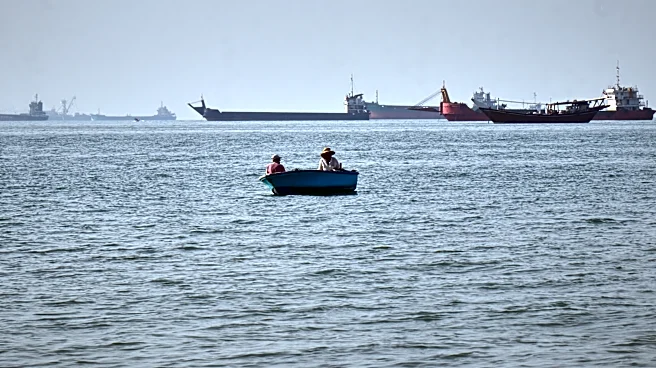
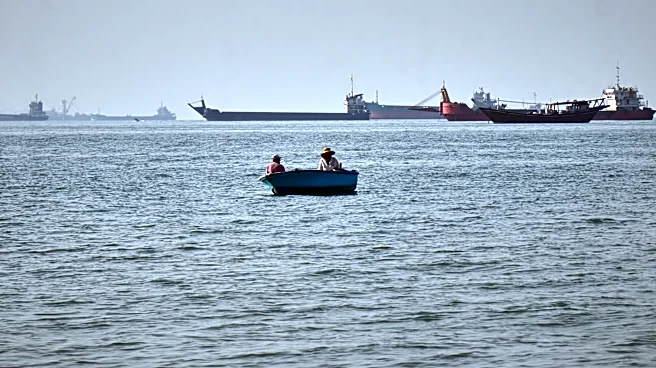
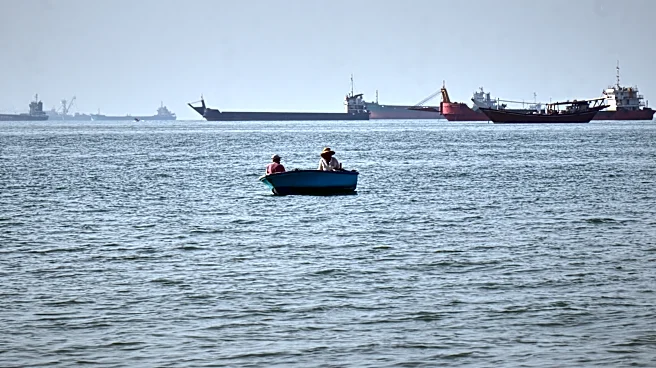
A vessel identified as a floating armory has been captured off the port of Fujairah, according to maritime security consultancy Vanguard Tech. The vessel, named Hui Chuan and flagged in Honduras, was reportedly operating as a floating armory in the Gulf
of Oman. It was boarded by unauthorized personnel and diverted into Iranian territorial waters, leading to a loss of contact and disappearance from tracking systems. Floating armories are used by maritime security contractors to store arms, ammunition, and personnel between missions, avoiding legal complications in coastal states. The Hui Chuan, built in 1984, is owned by a letterbox company in the Marshall Islands, which also owns another vessel.
Why It's Important?
The capture of the Hui Chuan highlights the complex legal and security challenges associated with floating armories. These vessels operate in international waters to circumvent strict firearms laws in coastal states, but their operations are often opaque, raising concerns about accountability and regulation. The incident underscores the potential risks of unauthorized access to such armories, which could lead to weapons falling into the wrong hands. This event may prompt calls for stricter international regulations and oversight of floating armories to prevent similar incidents and ensure maritime security.
What's Next?
The incident may lead to increased scrutiny and potential regulatory changes regarding floating armories. Maritime security stakeholders, including governments and international organizations, might push for clearer guidelines and enforcement mechanisms to manage these operations. The loss of contact with the Hui Chuan could also trigger diplomatic discussions between involved nations, particularly concerning the vessel's diversion into Iranian waters. The maritime security industry may need to reassess its practices to enhance transparency and prevent unauthorized access to armories.
Beyond the Headlines
The use of floating armories reflects broader issues in maritime security, including the balance between operational efficiency and legal compliance. The incident raises ethical questions about the responsibility of maritime security contractors and the potential consequences of their actions. It also highlights the need for international cooperation to address the challenges posed by floating armories, ensuring they do not become a loophole for illegal arms distribution or other illicit activities.