







What's Happening?
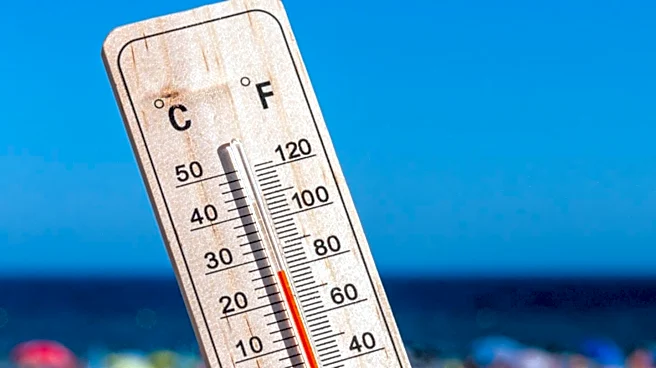
New Jersey has reported a significant increase in heat-related deaths, with the state's Department of Health confirming 29 fatalities due to a recent heat wave. The deaths occurred primarily in Central and North Jersey, affecting individuals ranging from
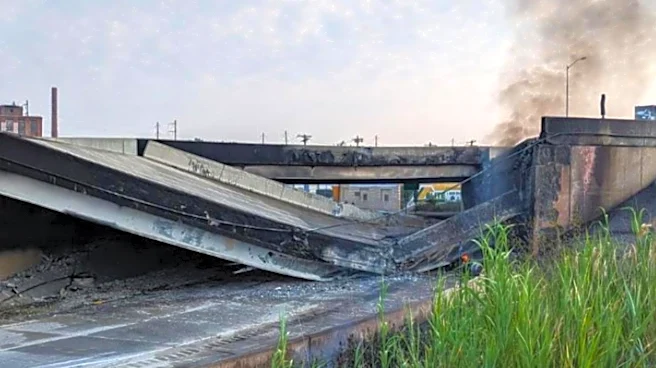
their mid-30s to 80s. The heat wave, which lasted from Wednesday to Saturday, saw temperatures soar above 100 degrees Fahrenheit, with heat index levels reaching 110 in some areas. The extreme weather conditions also led to infrastructure issues, including the collapse of a BJ's Wholesale Club roof in Ocean Township due to heavy rain. The state's health officials have emphasized the public health risks associated with such extreme temperatures and the importance of heat safety measures.
Why It's Important?
The rising death toll highlights the severe impact of climate change and extreme weather events on public health. The situation underscores the need for effective emergency response strategies and infrastructure resilience to protect vulnerable populations. The fatalities, many of which occurred in homes without air conditioning, point to socio-economic disparities in access to cooling resources. This event may prompt policymakers to prioritize investments in public health infrastructure and climate adaptation measures. Additionally, the incident serves as a reminder of the broader implications of climate change, potentially influencing future environmental policies and public awareness.
What's Next?
In response to the heat wave, New Jersey officials may consider implementing more robust heat emergency plans, including expanding access to cooling centers and improving public communication strategies. There may also be increased advocacy for policies addressing climate resilience and infrastructure improvements. The state could see a push for legislative action to support vulnerable communities, ensuring they have access to necessary resources during extreme weather events. Additionally, there may be a review of building codes and urban planning to enhance heat mitigation strategies.