


What's Happening?
Climate forecasters are issuing urgent warnings about a powerful El Niño climate pattern, dubbed a 'super El Niño,' which is expected to bring severe floods and droughts across the United States. Officials from the World Meteorological Organization, including
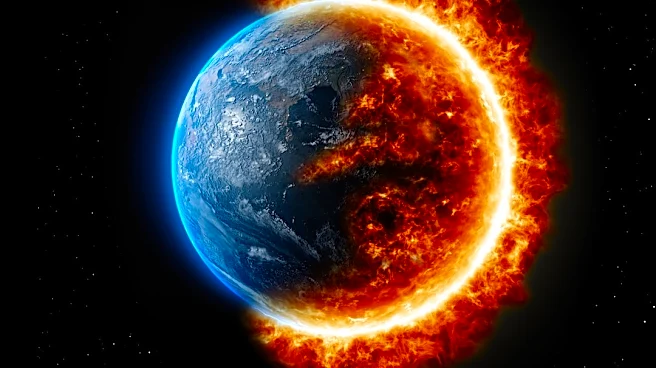
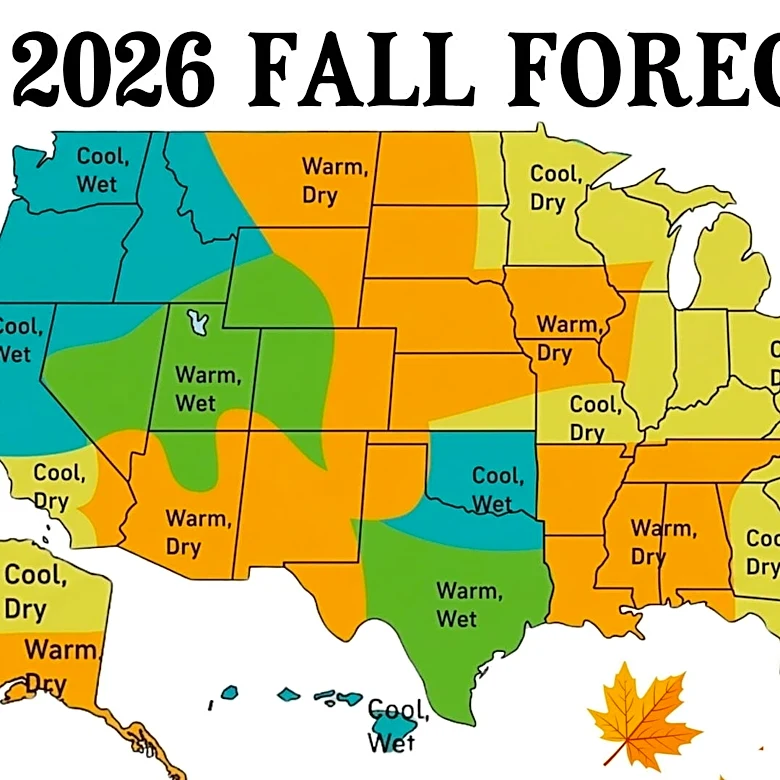
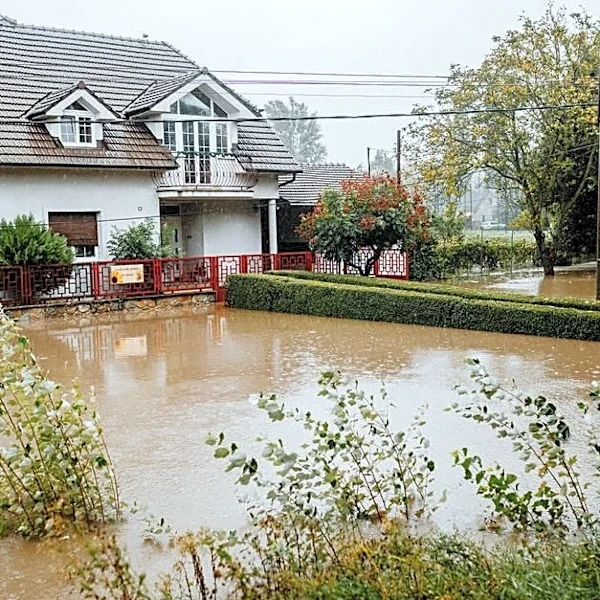
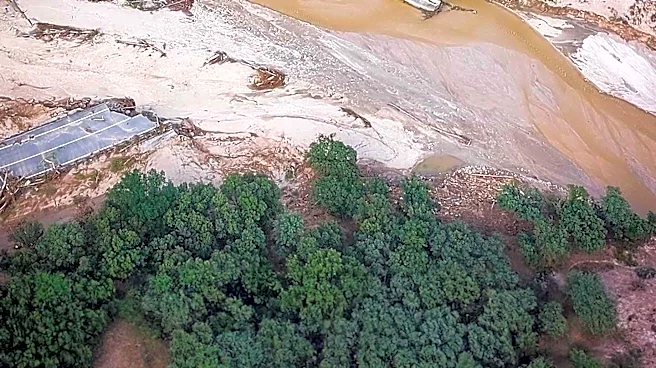
Celeste Saulo, indicate that this El Niño could be stronger than any recorded since monitoring began. El Niño is a natural climate phenomenon characterized by abnormally warm Pacific Ocean temperatures along the equator, which then influence global weather patterns. This particular El Niño is projected to peak in November and December, with impacts extending into next year, potentially making this year or next the hottest on record globally. In the U.S., the northern half is expected to experience drier conditions, exacerbating existing droughts in the inner Mountain West, while the southern half could face more intense rain and flooding.
Why It's Important?
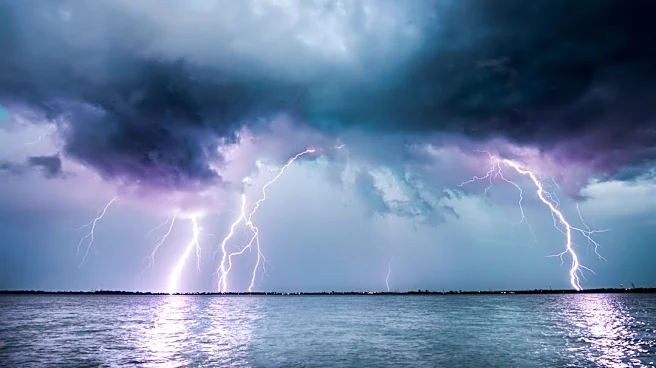
The impending 'super El Niño' poses significant threats to various sectors across the U.S., including agriculture, water resources, energy, and infrastructure. Increased droughts in the northern U.S. could severely impact agricultural yields and water availability, leading to economic losses and potential water shortages. Conversely, intense rainfall and flooding in the southern U.S. could cause widespread property damage, disrupt transportation, and strain emergency services. The World Food Programme projects that globally, about 50 million people could face food insecurity due to El Niño's effects, highlighting the broader humanitarian implications. For the U.S., preparedness is critical to mitigate these impacts, as communities and emergency managers are already mobilizing resources to cope with the anticipated extreme weather events.
What's Next?
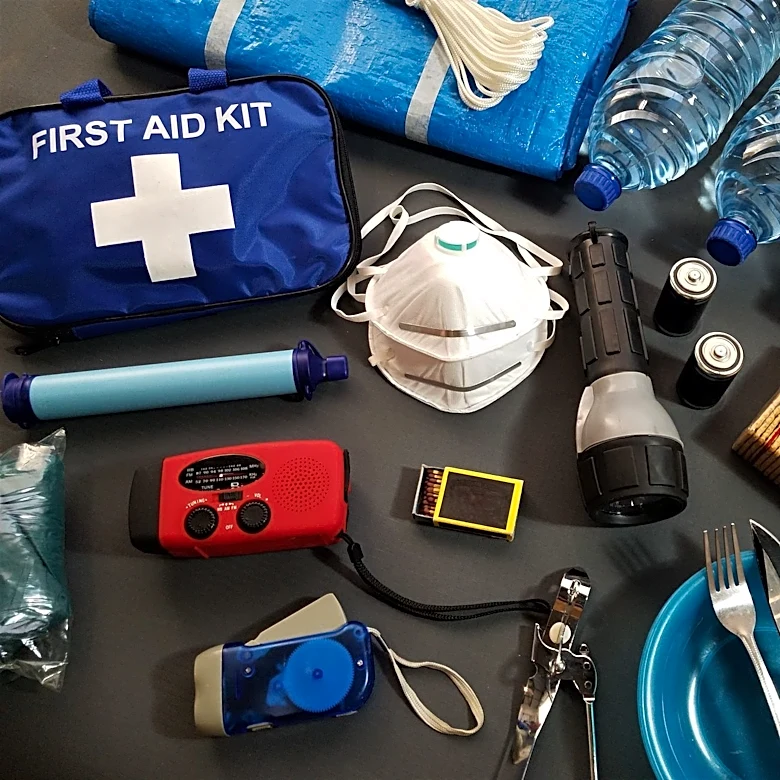
Communities across the U.S. are being urged to prepare immediately for the anticipated severe weather. Emergency managers, such as Nate Ortiz of California's Office of Emergency Services, are already deploying supplies, equipment, and high-clearance rescue vehicles in anticipation of floods. State officials, like California State Senator Mike McGuire, are holding town halls to inform residents and coordinate preparedness efforts. As the El Niño intensifies towards its peak in November and December, further advisories and emergency declarations may be issued. The long-term impacts will extend into next year, requiring sustained monitoring and adaptive strategies for water management, agriculture, and disaster response. The global temperature rise associated with this El Niño will also contribute to ongoing climate change concerns, necessitating continued efforts in climate adaptation and mitigation.
Beyond the Headlines
The 'super El Niño' underscores the increasing vulnerability of global systems to extreme weather events, a vulnerability exacerbated by ongoing climate change. While El Niño is a natural phenomenon, its intensity and the cascading effects it triggers are amplified by a warming planet, making it harder to predict and manage. This event highlights the critical need for robust climate resilience strategies, not just for immediate disaster response but for long-term adaptation across all sectors. It also brings into sharper focus the interconnectedness of global climate patterns and their far-reaching socio-economic consequences, from food security to public health. The challenges posed by this El Niño serve as a stark reminder that climate change is not a distant threat but an immediate reality demanding comprehensive and proactive global and national responses.