







What's Happening?
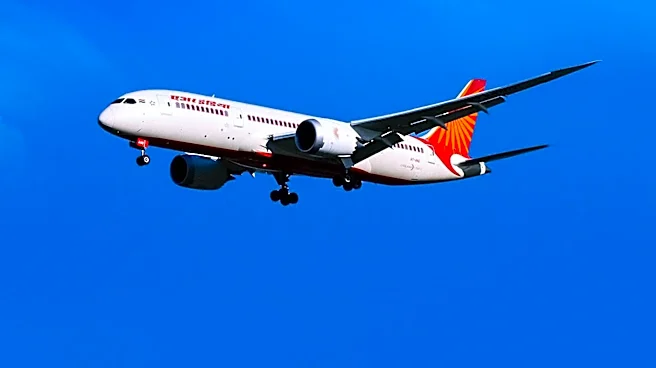
Air India has prolonged the suspension of its flights to Israel until the end of July. This decision comes amidst ongoing regional tensions and airspace disruptions, which have also led to various flight cancellations and delays, particularly affecting
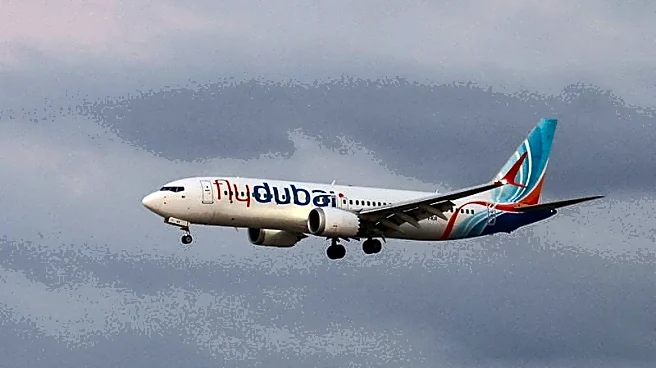
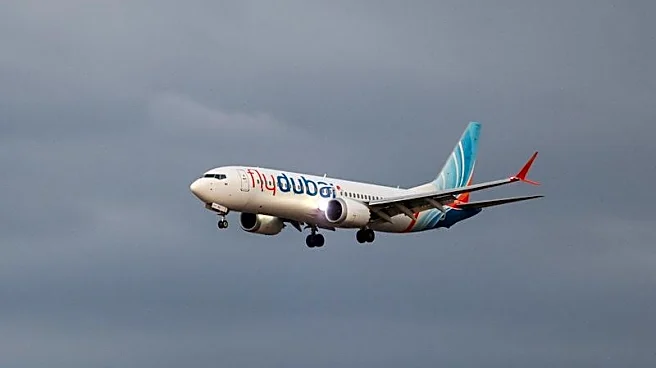
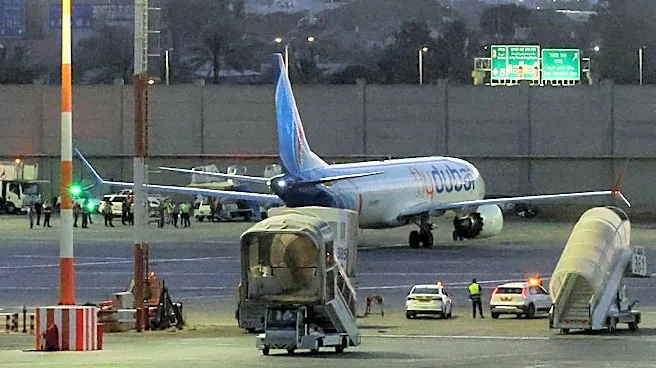
travelers in the UAE. While the specific number of suspended flights to Israel is not detailed, the airline's broader operations in the region have been impacted. Other airlines, including Emirates, flydubai, and Etihad, have also experienced delays and cancellations on routes connecting through Dubai and Abu Dhabi, with some extending suspensions for several months. The UAE's General Civil Aviation Authority has resumed normal air-navigation operations but continues real-time monitoring, acknowledging that regional routing can still affect international journeys.
Why It's Important?
The extended suspension of Air India flights to Israel, alongside broader disruptions in UAE aviation, significantly impacts international travel and regional connectivity. For U.S. citizens traveling to or from the Middle East, these disruptions can lead to rebooking challenges, extended travel times, and potential financial losses if not adequately prepared. The situation highlights the vulnerability of global air travel to geopolitical events and airspace restrictions. It underscores the need for travelers to maintain flexible booking options and comprehensive travel insurance. The ongoing uncertainty could deter tourism and business travel to and through the affected regions, impacting economic stakeholders in the aviation and hospitality sectors. Airlines are advising passengers to monitor flight statuses closely and update contact information to receive timely notifications, emphasizing a shift towards more proactive traveler responsibility in volatile operating environments.
What's Next?
Travelers planning journeys involving Air India or other airlines operating in the Middle East are advised to continuously monitor official airline channels for the latest flight status updates. Airlines like Air India, Emirates, and flydubai have established dedicated support systems for disrupted passengers, offering options for refunds or alternative flights. Passengers should avoid independent cancellations without first checking airline-provided alternatives, as financial outcomes can differ. The situation remains fluid, with the potential for further schedule changes or extended suspensions depending on the evolving geopolitical landscape. Airlines will likely continue to adjust their operational plans based on safety assessments and regulatory guidance. Travelers should also consider the flexibility of their tickets and the terms of their travel insurance, especially regarding exclusions related to geopolitical events.
Beyond the Headlines
The persistent flight disruptions in the Middle East, exemplified by Air India's extended suspensions, reveal deeper implications beyond immediate travel inconveniences. These events underscore the intricate link between geopolitical stability and global commerce, particularly in the aviation sector. The need for airlines to adapt to rapidly changing airspace conditions and security concerns highlights the increasing complexity of international flight operations. Furthermore, the emphasis on traveler preparedness, including flexible tickets and comprehensive insurance, points to a shift in the implicit contract between airlines and passengers, where individuals bear more responsibility for mitigating risks associated with external disruptions. This situation could also prompt a re-evaluation of established flight routes and contingency planning within the aviation industry, potentially leading to long-term changes in how airlines manage and communicate during periods of regional instability.