



What's Happening?
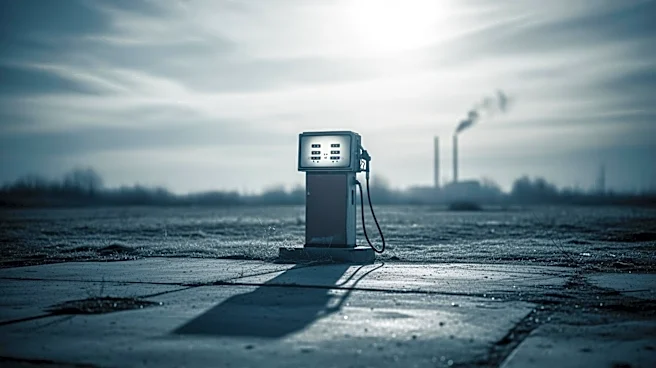
Cuba is experiencing severe economic challenges, with significant fuel shortages leading to widespread power outages and disruptions in daily life. The country's fuel imports have decreased by over a third, causing electricity shortfalls that have at times
eliminated nearly 30% of daily demand. This situation has been exacerbated by a tightening U.S. trade embargo and the collapse of Venezuelan fuel deliveries. The resulting shortages of food, fuel, and basic goods have pushed Cuba's already fragile economy closer to collapse. In response, grassroots relief efforts, supported by U.S. donors, are providing essential supplies to vulnerable communities.
Why It's Important?
The deepening crisis in Cuba highlights the severe impact of international sanctions and geopolitical tensions on the country's economy and its people. The situation underscores the vulnerability of nations heavily reliant on external resources and the potential humanitarian consequences of prolonged economic isolation. The crisis also raises questions about the effectiveness and ethical implications of economic sanctions as a tool of foreign policy. The ongoing hardships faced by the Cuban population may prompt international calls for policy reassessment and increased humanitarian aid.
Beyond the Headlines
The current crisis in Cuba could lead to long-term socio-economic changes, including increased emigration as citizens seek better opportunities abroad. The situation may also influence Cuba's domestic policies and its relationships with other nations, particularly those in Latin America. Additionally, the crisis could serve as a case study for the global community on the impacts of economic sanctions and the importance of sustainable development and energy independence.