






What's Happening?
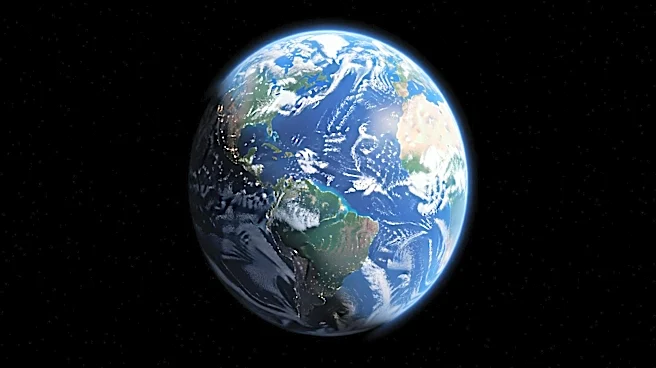
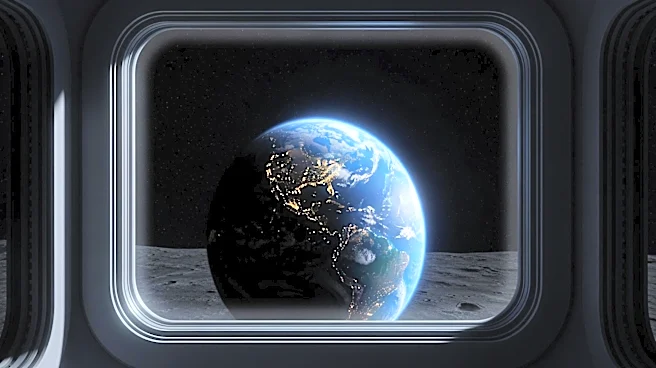
NASA's Artemis II mission has captured new images of Earth, continuing the legacy of Earth observation that began with the iconic Earthrise photo taken by the Apollo 8 crew in 1968. The Artemis II crew, traveling farther from Earth than any humans before,
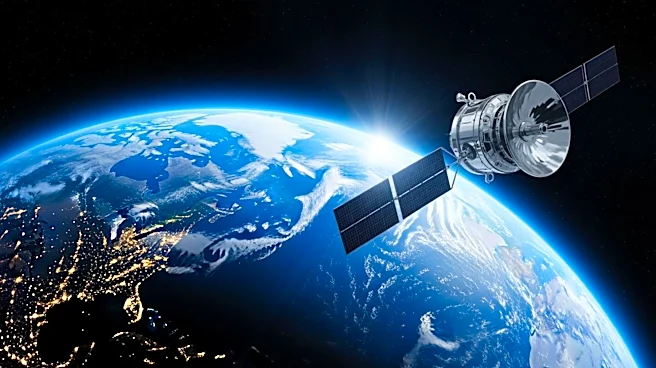
took a poignant photo of Earth on April 6, 2026. This mission underscores NASA's commitment to understanding our planet through advanced imaging technology. NASA Administrator Jared Isaacman highlighted the importance of Earth science missions in providing critical data to support communities and industries. The Artemis II mission's images, along with data from other Earth-observing satellites, contribute to a deeper understanding of Earth's environment and natural hazards.
Why It's Important?
The Artemis II mission's new Earth images are significant as they enhance our understanding of Earth's environment and contribute to scientific research. These images, along with data from NASA's Earth science missions, provide valuable insights into natural phenomena such as wildfires, droughts, and flooding. This information is crucial for developing strategies to mitigate the impacts of climate change and other environmental challenges. The mission also highlights the technological advancements in imaging and data collection, which are essential for monitoring and responding to global environmental changes. The continued exploration and observation of Earth from space play a vital role in informing public policy and supporting sustainable development.