






What's Happening?
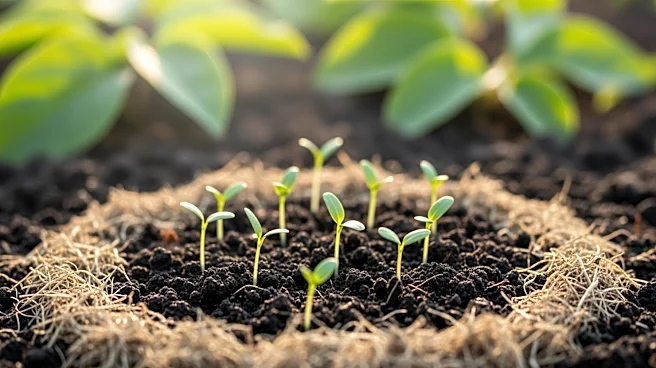
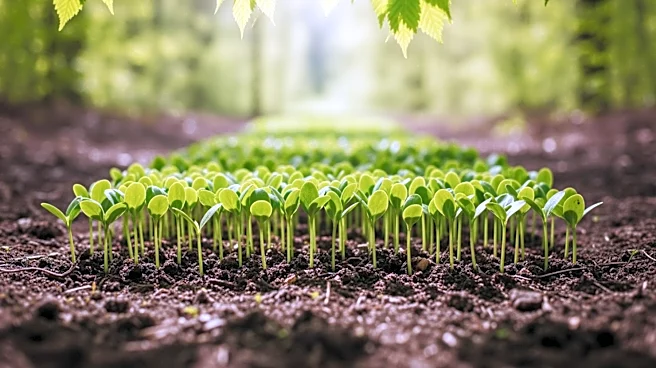
The Sharks Foundation, in collaboration with the PG&E Foundation, has provided a $20,000 Community Assist Grant to the Walden West Foundation. This grant is aimed at funding the creation of a Miyawaki micro-forest at the Walden West Outdoor School. The initiative
is part of the Sharks Foundation’s Youth Education pillar, which focuses on enhancing environmental education for children. The project involves the preparation of the ground, acquisition of necessary materials, and the installation of the micro-forest. This educational endeavor is designed to offer young learners hands-on experience in observing forest growth and understanding ecological and biological processes. The micro-forest will serve as a living classroom for thousands of current and future campers, providing them with valuable lessons in science and ecology.
Why It's Important?
This initiative is significant as it promotes environmental education among young students, fostering a deeper understanding of ecological systems and sustainability. By engaging children in the process of observing and learning about forest ecosystems, the project aims to instill a sense of environmental stewardship and awareness from an early age. The partnership between the Sharks Foundation and PG&E highlights the role of community organizations in supporting educational programs that address critical environmental issues. This project not only benefits the students but also contributes to the local community by enhancing green spaces and promoting biodiversity. The establishment of the micro-forest aligns with broader efforts to combat climate change and promote sustainable practices.
What's Next?
The successful implementation of the micro-forest project at Walden West Outdoor School could serve as a model for similar educational initiatives in other communities. As the forest grows, it will provide ongoing educational opportunities and potentially inspire additional environmental projects. The collaboration between the Sharks Foundation and PG&E may lead to further partnerships aimed at expanding environmental education and sustainability efforts. Monitoring the progress and impact of the micro-forest will be crucial in assessing its educational value and ecological benefits. Future steps may include expanding the program to include more schools and community groups, thereby broadening its reach and impact.