
What's Happening?
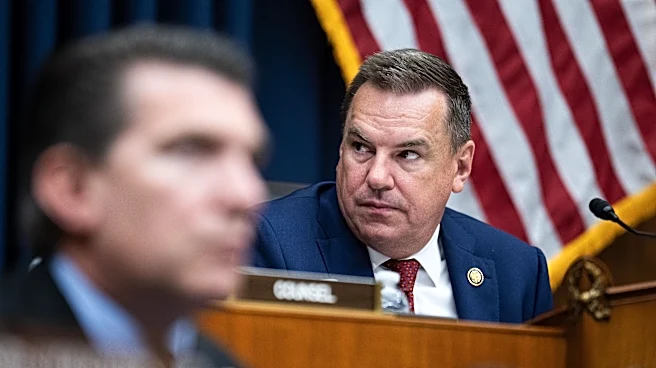
Congressman Jimmy Patronis (FL-01) has advanced the Take Care of America’s Veterans Act, a comprehensive legislative package comprising over 60 bipartisan bills, and co-sponsored the Major Richard Star
Act. These measures are designed to improve the care and benefits provided to U.S. veterans. The Take Care of America’s Veterans Act aims to expand veterans' access to healthcare outside the VA system, reduce treatment delays, increase benefits for disabled veterans and Gold Star families, and streamline VA disability claims and education benefits access. The Major Richard Star Act seeks to allow eligible combat-injured veterans to receive both their full military retirement pay and VA disability benefits concurrently, ending current penalties that reduce retirement pay when disability benefits are received. This act also ensures that veterans medically retired before 20 years of service can receive both benefits without losing retirement pay. Congressman Patronis emphasized the importance of these bills, particularly during Veterans Day week, highlighting the significant veteran population in Northwest Florida.
Why It's Important?
This legislative push is significant for nearly 100,000 veterans in Northwest Florida and millions nationwide, addressing long-standing issues within the veterans' benefits system. The proposed changes could substantially improve the quality of life for disabled veterans and their families by ensuring they receive the full financial support they are entitled to without penalty. Expanding healthcare access outside the VA could alleviate the burden on the VA system, potentially reducing wait times and improving the quality of care. Furthermore, simplifying disability claims and education benefits access could empower veterans to transition more smoothly into civilian life and pursue educational opportunities. The bipartisan nature of these bills suggests a broad consensus on the need to support veterans, potentially paving the way for their successful enactment and providing tangible relief and recognition for their service and sacrifices.
What's Next?
The advancement of these bills indicates they are moving through the legislative process, though specific next steps for a vote or further committee action were not detailed in the source. Given the bipartisan support and the timing during Veterans Day week, there may be an accelerated push for these measures. Stakeholders, including veterans' advocacy groups, will likely continue to lobby for their passage. If enacted, the Department of Veterans Affairs (VA) would be responsible for implementing the expanded healthcare options, revised benefit calculations, and streamlined claims processes. This could necessitate significant administrative adjustments within the VA to accommodate the new provisions and ensure efficient delivery of services and benefits to veterans.
Beyond the Headlines
Beyond the immediate benefits, these legislative efforts reflect a broader societal commitment to honoring military service and addressing systemic challenges faced by veterans. The focus on concurrent receipt of military retirement and disability pay highlights an ongoing debate about fair compensation for those injured in service, aiming to rectify situations where veterans are penalized for their sacrifices. The emphasis on healthcare access outside the VA also points to a recognition of the limitations of the current VA system and a desire to provide veterans with more choices and timely care. Such reforms could set a precedent for future legislation aimed at improving veteran welfare, potentially influencing public policy discussions on military benefits, healthcare reform, and the overall support structure for service members transitioning to civilian life.