



What's Happening?
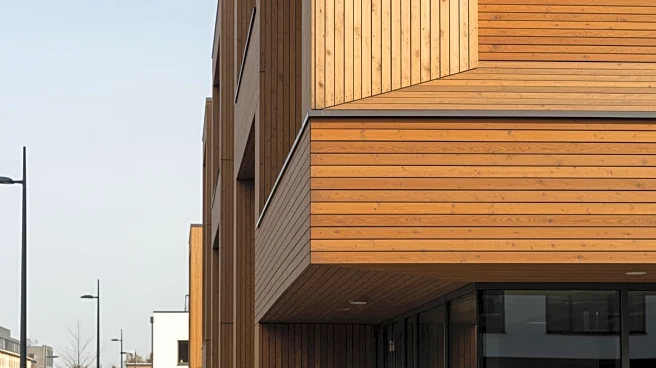
Brookhaven City Centre has officially opened as the first mass timber municipal building in Georgia. The 58,250-square-foot facility is notable for its use of mass timber, a sustainable building material that offers benefits such as durability, carbon
sequestration, and reduced construction waste. The building is designed to serve both public and administrative functions. Approximately 60% of the space is dedicated to public use, featuring community gathering areas, a rooftop garden, a multi-purpose event hall, a catering kitchen, a coffee shop, rentable meeting rooms, public restrooms, and an Explore Brookhaven visitor store. The remaining 40% of the building houses administrative offices for city operations, including offices for the Mayor and Council, City Manager, Finance, and Human Resources.
Why It's Important?
The opening of Brookhaven City Centre marks a significant step in sustainable urban development within Georgia. By utilizing mass timber, the building sets a precedent for environmentally friendly construction practices in municipal projects. This approach not only reduces the carbon footprint associated with traditional building materials but also aligns with broader efforts to promote sustainability in urban planning. The facility's design, which integrates public and administrative spaces, reflects a modern approach to civic architecture that prioritizes community engagement and accessibility. This development could influence future municipal projects across the U.S., encouraging the adoption of sustainable materials and practices in public infrastructure.
What's Next?
The success of Brookhaven City Centre could inspire other municipalities in Georgia and beyond to consider mass timber for future projects. As awareness of the environmental benefits of mass timber grows, it is likely that more cities will explore this option for new constructions. Additionally, the building's multifunctional design may serve as a model for integrating public and administrative spaces in a way that fosters community interaction and efficient use of resources. Stakeholders in urban development and environmental advocacy may push for policies that support the use of sustainable materials in public projects.