





What's Happening?
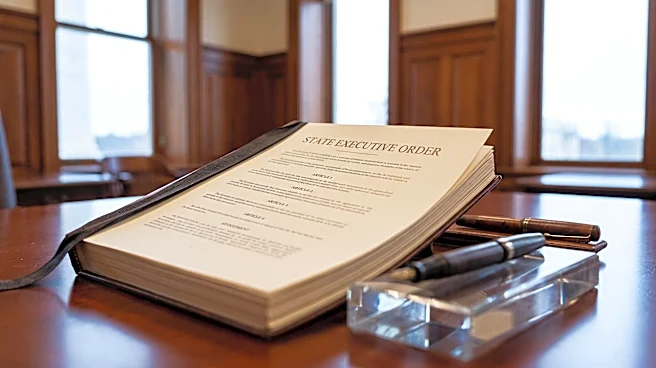
Washington Governor Bob Ferguson has signed Executive Order 26-05, creating the state's first chief fraud prevention officer position and a statewide workgroup aimed at enhancing oversight of public funds. This initiative seeks to improve coordination
among state agencies and expand efforts to detect and prevent fraud, with an initial focus on health and human services programs. The new chief fraud prevention officer will be responsible for coordinating fraud prevention, detection, investigation, and recovery efforts within executive cabinet agencies, including the Washington State Health Care Authority and the departments of Health, Social and Health Services, Labor and Industries, and Children, Youth and Families. The governor's office plans to implement this initiative using existing state resources. Additionally, Governor Ferguson announced plans to introduce legislation to expand Washington’s Medicaid False Claims Act to cover fraudulent claims across all state government programs.
Why It's Important?
This executive order is significant for Washington state as it establishes a more coordinated and proactive approach to combating fraud within government programs. By creating a dedicated chief fraud prevention officer and a statewide workgroup, the state aims to protect taxpayer dollars, improve program integrity, and strengthen oversight, especially in critical areas like health and human services. The proposed expansion of the Medicaid False Claims Act to encompass all state programs could significantly increase accountability for those who attempt to defraud the government. This move could lead to substantial financial recoveries for the state and deter future fraudulent activities, ensuring that public funds are utilized for their intended purposes. The initiative also highlights a broader trend of states seeking to enhance their fraud prevention capabilities in the face of challenging budgets and federal funding cuts.
What's Next?
The newly established chief fraud prevention officer will begin coordinating fraud prevention efforts across relevant state agencies. The Public Funds Fraud Prevention and Accountability Workgroup, co-chaired by the Governor’s Office and the Office of Financial Management, is tasked with developing a statewide framework for preventing, detecting, reporting, investigating, and responding to fraud by June 30, 2027. This framework will address fraud referrals, recovery of public funds, and accountability measures. Governor Ferguson also plans to introduce legislation during the upcoming legislative session to expand the state’s existing Medicaid False Claims Act. This proposed legislation would extend civil liability for fraudulent claims beyond Medicaid to other state programs, contracts, grants, and loans, and would allow for enforcement through private whistleblower lawsuits. The administrative initiatives of the executive order can proceed independently of the legislative approval required for the False Claims Act expansion.
Beyond the Headlines
The establishment of a chief fraud prevention officer and the proposed expansion of the False Claims Act in Washington state reflect a growing emphasis on governmental transparency and accountability. This initiative could set a precedent for other states looking to bolster their defenses against fraud and misuse of public funds. The reliance on private whistleblower lawsuits, or qui tam actions, in the proposed False Claims Act expansion introduces a powerful mechanism for uncovering fraud, as individuals are incentivized to report wrongdoing. This approach not only aids in financial recovery but also fosters a culture of vigilance within and outside government. The focus on training state employees in fraud prevention and establishing a workforce development pathway for fraud investigators indicates a long-term commitment to building robust internal controls and expertise in this critical area.