







What's Happening?
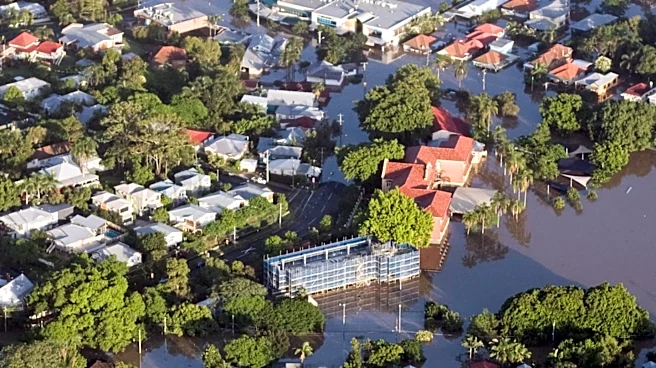
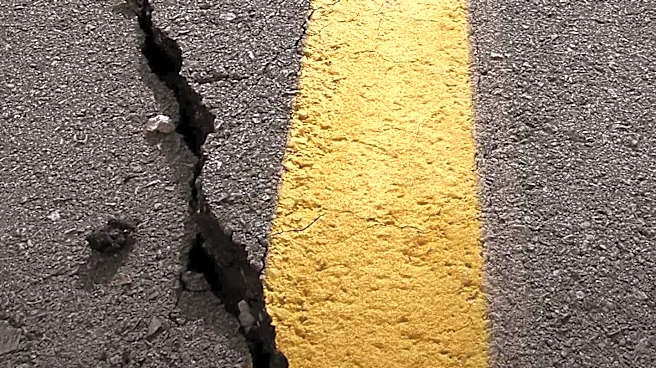
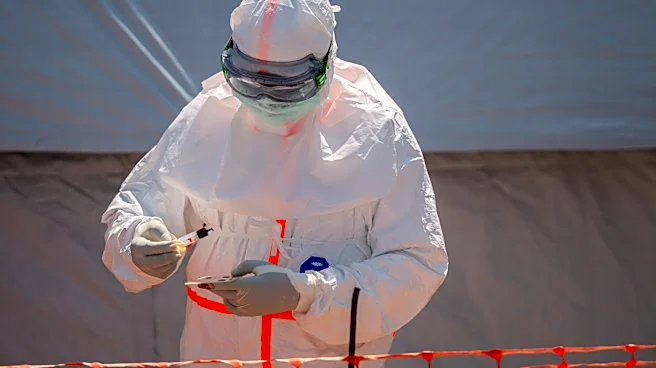
The International Rescue Committee (IRC) has issued a warning about a public health emergency following a disaster that damaged at least 38 hospitals. Medical staff are now relying on emergency tents to provide care, but these makeshift facilities are struggling
to meet the demand. The situation has left many without adequate medical attention, raising concerns about the potential for a health crisis. The IRC is calling for urgent assistance to address the gaps in healthcare provision and prevent further deterioration of the situation.
Why It's Important?
The damage to hospitals and the subsequent strain on healthcare services highlight the vulnerabilities of medical infrastructure in disaster-prone areas. The inability to provide adequate care poses a significant risk to public health, potentially leading to increased morbidity and mortality rates. The situation underscores the need for robust disaster preparedness and response strategies, as well as the importance of international aid and cooperation in addressing such emergencies. The IRC's warning serves as a call to action for governments and humanitarian organizations to prioritize healthcare support in affected regions.
What's Next?
Efforts to restore healthcare services and provide adequate medical care are expected to continue, with the IRC and other organizations working to mobilize resources and support. The situation may prompt discussions on improving disaster response mechanisms and strengthening healthcare infrastructure in vulnerable areas. International aid and cooperation will be crucial in addressing the immediate needs and preventing a full-scale health crisis. The focus will likely be on ensuring that medical facilities are equipped to handle the increased demand and that affected populations receive the necessary care.
Beyond the Headlines
The disaster and its impact on healthcare services highlight the broader challenges of ensuring access to medical care in crisis situations. It raises questions about the resilience of healthcare systems and the need for comprehensive planning and investment in disaster preparedness. The situation also underscores the importance of addressing underlying vulnerabilities, such as poverty and lack of infrastructure, that exacerbate the impact of disasters on public health.