






What's Happening?
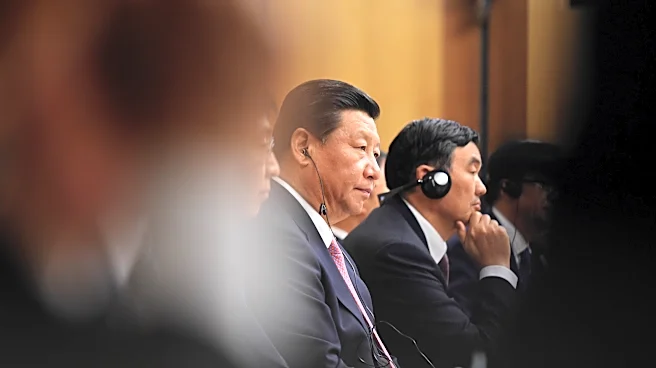
The second China-Canada Strategic Economic and Financial Dialogue concluded in Vancouver on November 9, 2026. Chinese Vice Premier He Lifeng co-chaired the dialogue with Canadian Minister of Finance Francois-Philippe Champagne and Minister of International
Trade Maninder Sidhu. The discussions aimed to implement the consensus reached by the leaders of both countries and deepen cooperation in areas such as economy, trade, finance, and investment. Vice Premier He Lifeng emphasized China's willingness to work with Canada based on principles of mutual respect, equality, mutual benefit, and seeking common ground while reserving differences. Both Canadian ministers expressed their country's commitment to strengthening policy communication and coordination and expanding practical cooperation in economic and financial sectors. A business roundtable with industry leaders from both nations was also held to explore opportunities for expanding bilateral trade and investment.
Why It's Important?
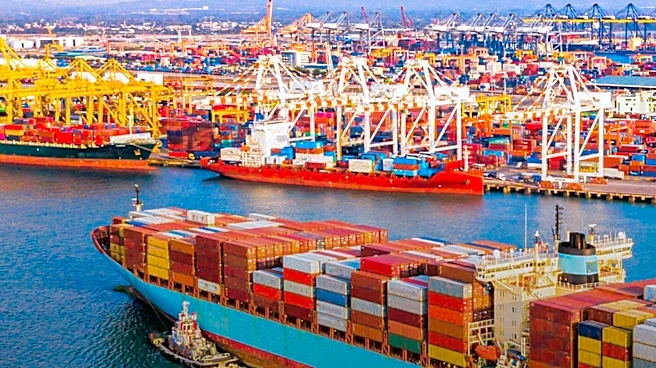
This dialogue signifies a concerted effort to stabilize and enhance economic relations between China and Canada. For U.S. economic stakeholders, the strengthening of trade and investment ties between two major global economies could have ripple effects. Increased cooperation could lead to new trade routes, supply chain adjustments, and shifts in global market dynamics. U.S. businesses operating in or with either country might find new opportunities or face increased competition. The emphasis on mutual respect and common ground in international economic relations also sets a precedent that could influence broader geopolitical and trade discussions, potentially impacting U.S. foreign policy and economic strategies in the Asia-Pacific region.
What's Next?
The conclusion of this dialogue is expected to lead to further implementation of the agreements and consensus reached. Both countries are likely to continue exploring avenues for deepening cooperation in trade, finance, and investment. Future engagements may include follow-up meetings, specific trade agreements, or joint ventures. The outcomes of this dialogue could also influence Canada's broader trade policies and its relationships with other economic partners, including the United States. The ongoing development of China-Canada economic relations will be closely watched by international observers and could serve as a model or a point of comparison for other bilateral economic partnerships.
Beyond the Headlines
Beyond the immediate economic implications, this dialogue highlights the evolving landscape of international relations, where economic diplomacy plays a crucial role in shaping strategic partnerships. The commitment to 'seeking common ground while reserving differences' suggests a pragmatic approach to managing complex bilateral relationships, which could be a significant lesson for other nations navigating similar challenges. The focus on expanding trade and investment also underscores the interconnectedness of global economies and the continuous search for new growth opportunities, even amidst geopolitical complexities. This event could also subtly influence public perception and cultural exchange between China and Canada, potentially fostering a more integrated global community.