




What's Happening?
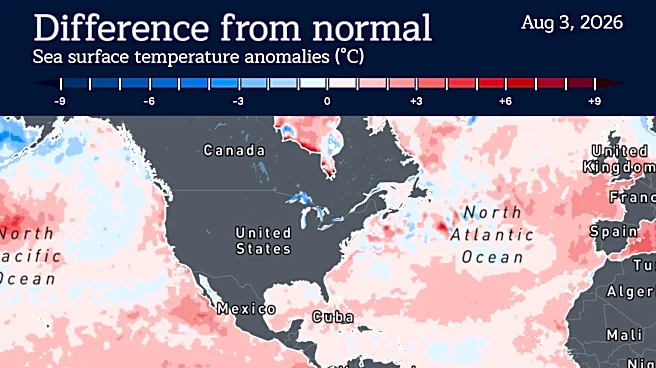
The World Food Programme (WFP) has issued a warning about the potential impact of the upcoming El Niño event, which is expected to peak between September and December 2026. The WFP anticipates that this climate phenomenon could push an additional 49 million
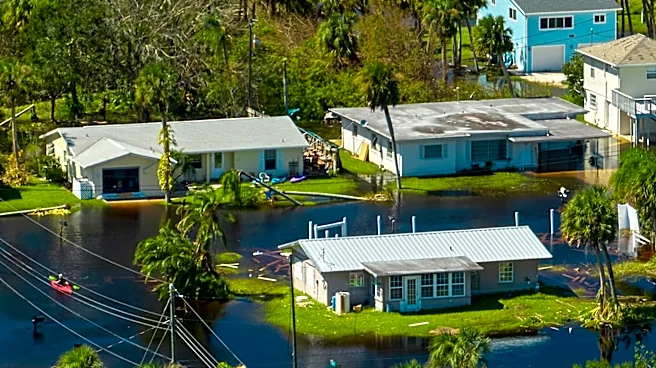
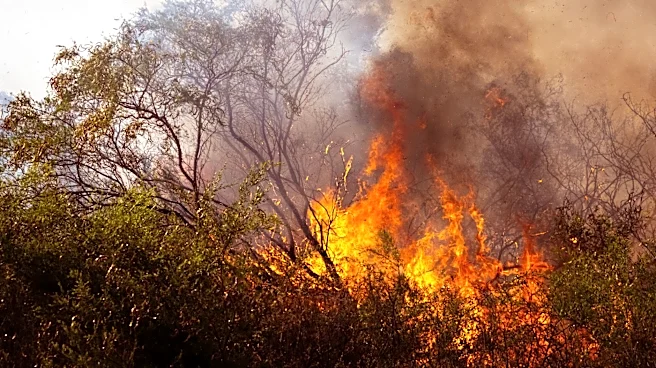
people into acute hunger by the end of 2027. The organization is working with partners, including the Food and Agriculture Organization (FAO), to implement prevention plans in over 50 countries. These efforts aim to mitigate the effects of droughts, floods, and extreme temperatures, which are already affecting vulnerable communities. The WFP has highlighted that regions such as Central America, southern Africa, and parts of Asia and the Pacific are particularly at risk. The agency is focusing on early action and anticipatory measures, which have proven cost-effective in past El Niño events.
Why It's Important?
The potential increase in acute hunger due to El Niño poses a significant threat to global food security, particularly in regions already struggling with poverty and climate extremes. The WFP's projections indicate a 22% rise in the number of acutely food-insecure people, from 225 million to 274 million. This situation underscores the urgent need for international support and investment in preventive measures. The economic implications are substantial, as every dollar invested in early action can save between three to seven dollars in future losses and response costs. The anticipated food insecurity could exacerbate existing socio-economic challenges, leading to increased migration, conflict, and instability in affected regions.
What's Next?
The WFP and its partners are ramping up efforts to prepare vulnerable communities for the impending climate shocks. This includes scaling up pre-arranged financing mechanisms such as disaster risk insurance and digital payments to provide timely support. The organization has already triggered anticipatory action plans in several countries, including South Sudan, Chad, and Guatemala, providing over $14 million in lifesaving responses. As El Niño progresses, the focus will be on monitoring its impacts and adjusting strategies to protect lives and livelihoods. The international community's response will be crucial in mitigating the humanitarian crisis and supporting long-term resilience.