
What's Happening?
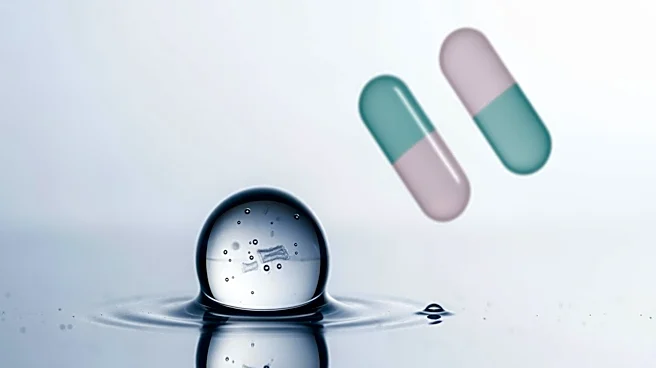
The U.S. Environmental Protection Agency (EPA) has announced a significant initiative to address the presence of microplastics and pharmaceuticals in the nation's drinking water. This marks the first time these contaminants have been prioritized as a group
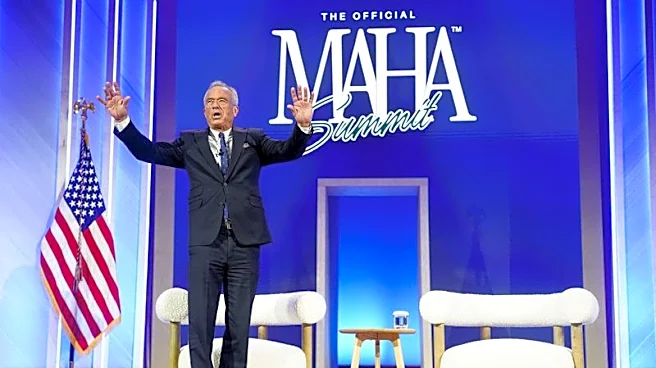
under the EPA's Contaminant Candidate List (CCL), a tool used to guide research and regulatory decisions under the Safe Drinking Water Act. The draft Sixth Contaminant Candidate List (CCL 6) includes microplastics, pharmaceuticals, per- and polyfluoroalkyl substances (PFAS), and disinfection byproducts, along with 75 chemicals and nine microbes. This move is part of the Trump administration's Make America Healthy Again (MAHA) initiative, aiming to address public concerns about the safety of drinking water.
Why It's Important?
This initiative is crucial as it addresses long-standing public concerns about the safety of drinking water in the U.S. By prioritizing microplastics and pharmaceuticals, the EPA is taking steps to ensure that drinking water is free from these potentially harmful contaminants. This action could lead to new regulations and standards that protect public health, particularly for vulnerable populations such as children and the elderly. The inclusion of these contaminants in the CCL allows for focused research and potential future regulation, which could significantly impact water treatment practices and policies across the country.
What's Next?
The publication of the draft CCL 6 will open a 60-day public comment period, allowing Americans to provide feedback on the proposed list. The EPA will also consult with its independent Science Advisory Board before finalizing the list, expected by November 17, 2026. This process will help ensure that the final list reflects the latest scientific understanding and public input. The human health benchmarks for pharmaceuticals, although not regulations, will serve as a critical tool for local water systems to assess and manage risks associated with pharmaceutical contamination.