





What's Happening?
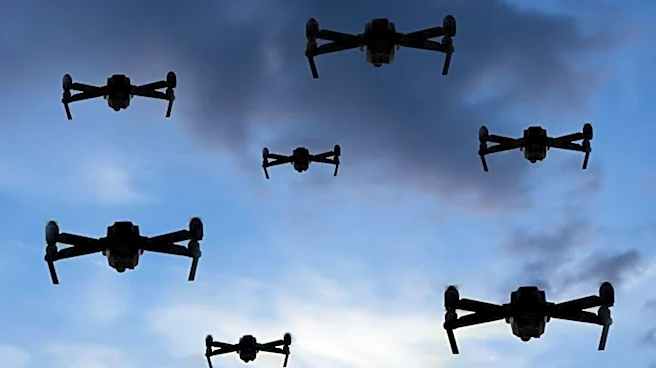
Ukrainian Foreign Minister Andrii Sybiha and his Belgian counterpart Maxime Prevot were compelled to conduct their meeting in a bomb shelter in Kyiv on Tuesday due to an air alert. This incident occurred as Russian drones attacked the Ukrainian capital,
a daily reality for millions of Ukrainians. Sybiha shared images of the ministers in a cramped, windowless room, emphasizing the ongoing threat. During their discussions, Sybiha expressed solidarity with Belgium regarding recent wildfires and outlined the front-line situation in the war against Russia. He also thanked Belgium for its substantial support, which includes over €4.6 billion in aid, with more than €1 billion in military aid provided this year through bilateral and multilateral programs like NATO’s Prioritised Ukraine Requirements List (PURL).
Why It's Important?
This event vividly illustrates the persistent and dangerous reality of life in Ukraine amidst the ongoing conflict. The necessity for high-level diplomatic meetings to take place in bomb shelters underscores the direct impact of the war on all aspects of Ukrainian society, including its international relations. Belgium's continued and increasing military and financial support, including the commitment of F-16 fighter jets and training for Ukrainian troops and pilots, is crucial for Ukraine's defense efforts. This international solidarity is vital for Ukraine's ability to resist Russian aggression and maintain its sovereignty. The incident also serves as a stark reminder to the international community of the urgent need for sustained support to Ukraine.
What's Next?
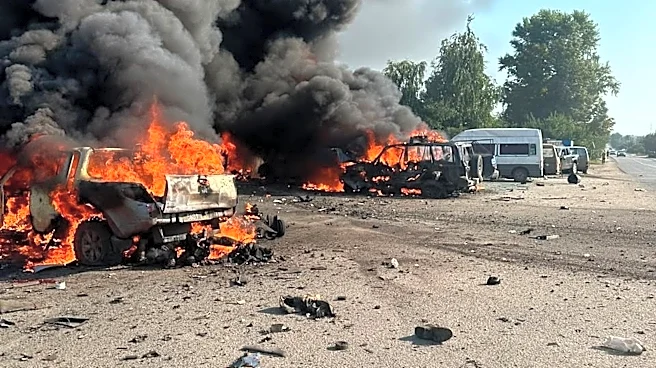
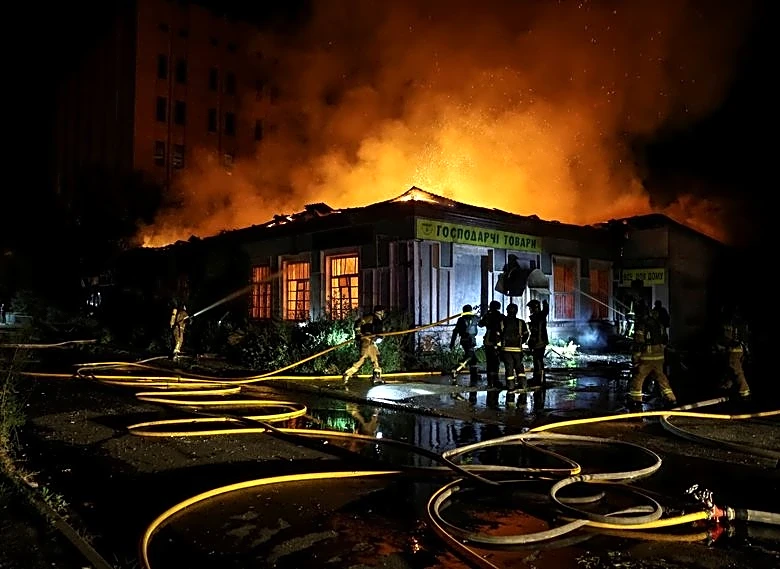
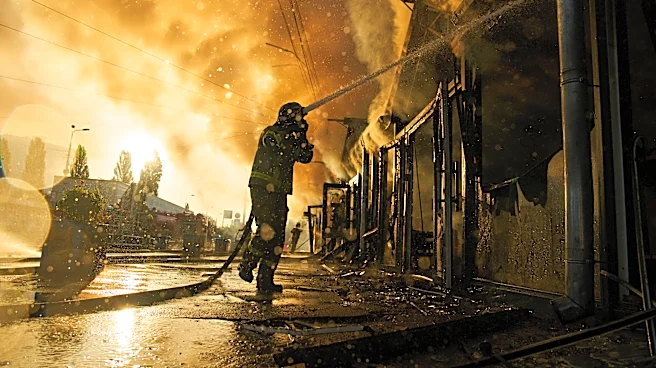
The ongoing military support from Belgium and other NATO allies, facilitated through initiatives like PURL, is expected to continue. Belgium's commitment to deliver F-16 fighter jets in 2026, contingent on receiving F-35 jets, indicates a long-term strategy of assistance. Ukraine will likely continue to seek further military and humanitarian aid from its international partners to bolster its defenses and address the humanitarian crisis. The frequent air raid alerts and missile strikes, such as the recent attack in the Kharkiv region, suggest that Russia's aggressive tactics will persist. Diplomatic efforts will continue to focus on coordinating international responses and support for Ukraine, while also addressing the broader implications of the conflict on European security.
Beyond the Headlines
The meeting in the bomb shelter symbolizes the resilience of Ukrainian diplomacy and the unwavering commitment of its international partners despite the immediate threats of war. This incident highlights the psychological toll of constant air raid sirens and the adaptation required for daily life and governance in a war zone. The extensive military aid, particularly advanced weaponry like F-16s, signifies a significant shift in international military assistance, moving beyond defensive equipment to more offensive capabilities. This evolution in support could have long-term implications for the nature of modern warfare and international security alliances. The ongoing conflict also raises profound questions about the future of European security architecture and the role of international organizations in preventing and resolving large-scale conflicts.