What's Happening?
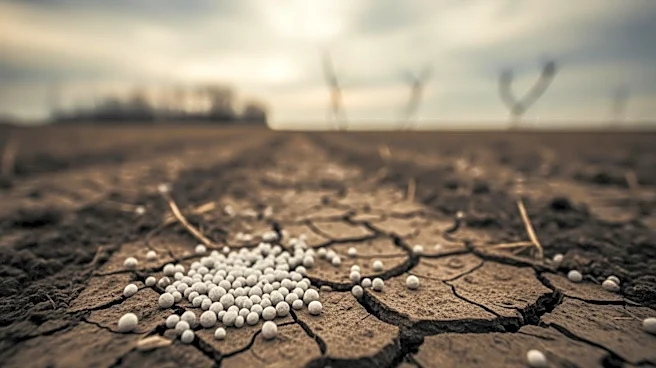
The Food and Agriculture Organization (FAO) has issued a warning about potential fertilizer shortages due to disruptions in the Strait of Hormuz, a critical shipping corridor. The ongoing Middle East conflict
has constrained fertilizer markets, leading to concerns about reduced crop yields and food supply shortages over the next two years. FAO Director General Qu Dongyu highlighted the geopolitical crisis's impact on the global agri-food system, emphasizing the need for timely fertilizer application to maintain agricultural productivity.
Why It's Important?
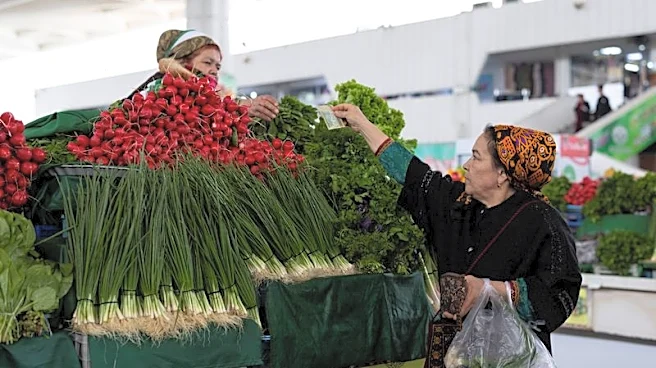
Fertilizer shortages could have severe implications for global food security, particularly in regions already facing food insecurity and economic challenges. Reduced crop yields may lead to higher food prices, exacerbating poverty and hunger. The situation underscores the interconnectedness of global supply chains and the potential for geopolitical events to disrupt essential agricultural inputs. It also highlights the need for resilient agricultural practices and diversified supply routes to mitigate the impact of such disruptions.
What's Next?
Countries may need to explore alternative trade routes and increase domestic production of fertilizers to reduce dependency on vulnerable supply chains. International cooperation and policy measures could be necessary to ensure the continued flow of agricultural inputs. In the long term, structural changes in the agri-food system may be required to enhance resilience and reduce reliance on concentrated supply routes.