




What's Happening?
U.S. Senator Eric Schmitt of Missouri has co-sponsored the Protect College Sports Act. This bipartisan legislation, also backed by Senators Ted Cruz, Maria Cantwell, and Chris Coons, aims to establish national standards for Name, Image, and Likeness (NIL)
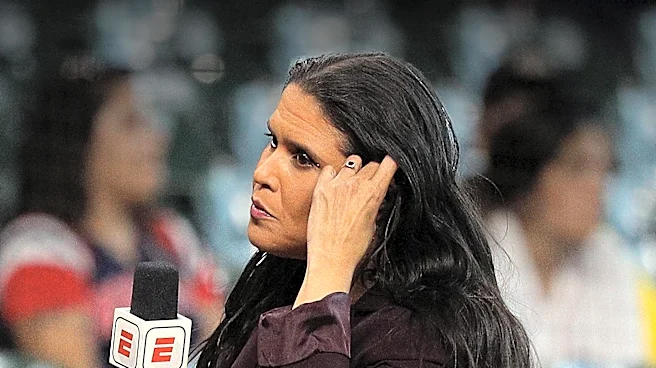
payments, player transfers, and conference realignment within college athletics. Senator Schmitt has actively promoted the bill, including discussing its significance on ESPN's College GameDay. The act seeks to bring uniformity to the rapidly evolving landscape of college sports, which has seen significant changes since the introduction of NIL policies. The current environment, characterized by varying state laws and institutional guidelines, has led to inconsistencies and challenges for student-athletes and universities alike. The proposed legislation intends to create a more stable and equitable framework for all stakeholders involved in collegiate sports.
Why It's Important?
The Protect College Sports Act is important because it addresses the growing complexities and inconsistencies in college athletics, particularly concerning NIL compensation and player transfers. The current patchwork of state laws and NCAA regulations has created an uneven playing field, potentially disadvantaging some student-athletes and institutions. Establishing national standards could bring much-needed clarity and fairness, ensuring that all college athletes operate under similar rules regardless of their location or school. This could help prevent bidding wars for talent, reduce the influence of external factors on player decisions, and maintain the integrity of collegiate competition. For universities, a standardized approach could simplify compliance and reduce legal uncertainties. The legislation also touches upon conference realignment, a significant issue impacting the financial stability and competitive balance of athletic programs across the country. By addressing these areas, the act aims to safeguard the future of college sports and ensure its continued viability as a major cultural and economic force in the U.S.
What's Next?
The Protect College Sports Act will now proceed through the legislative process in the U.S. Senate. It will likely undergo committee review, where it may be debated, amended, and potentially combined with other related proposals. Stakeholders, including the NCAA, athletic conferences, university presidents, and student-athlete advocacy groups, are expected to provide input and lobby for their interests. The bipartisan nature of the sponsorship suggests a potential for broader support, but the specifics of the national standards will be subject to considerable discussion. If passed by the Senate, the bill would then move to the House of Representatives for consideration. The ultimate goal is to enact federal legislation that provides a consistent regulatory framework for NIL, transfers, and conference realignment, thereby shaping the future operational and competitive landscape of college sports for years to come.
Beyond the Headlines
Beyond the immediate regulatory implications, the Protect College Sports Act delves into fundamental questions about the nature of amateurism in college athletics and the economic rights of student-athletes. The shift towards NIL compensation has blurred the lines between amateur and professional sports, raising ethical considerations about fair compensation, exploitation, and the potential for undue influence from boosters and agents. The legislation's attempt to standardize these practices reflects a broader societal debate about the commercialization of collegiate sports and the welfare of young athletes. Furthermore, the focus on conference realignment highlights the significant financial and academic pressures faced by universities, as athletic success increasingly dictates institutional prestige and revenue streams. This act could set a precedent for how federal government intervenes in the governance of sports organizations, potentially leading to more comprehensive oversight in the future and reshaping the traditional model of college athletics.