








What's Happening?
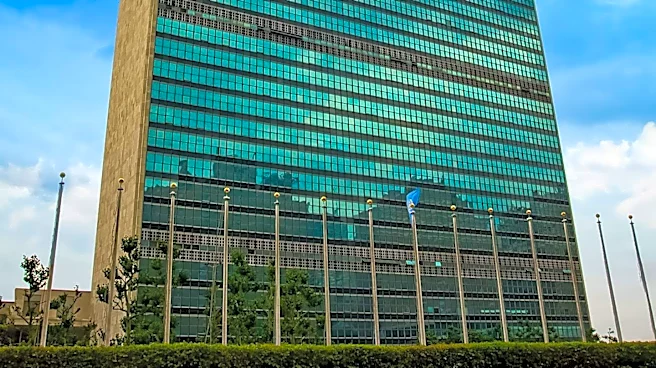
The International Committee of the Red Cross (ICRC) and the UN Secretary-General have issued a renewed, urgent call for states to adopt specific prohibitions and restrictions on autonomous weapon systems. This appeal comes three years after their initial
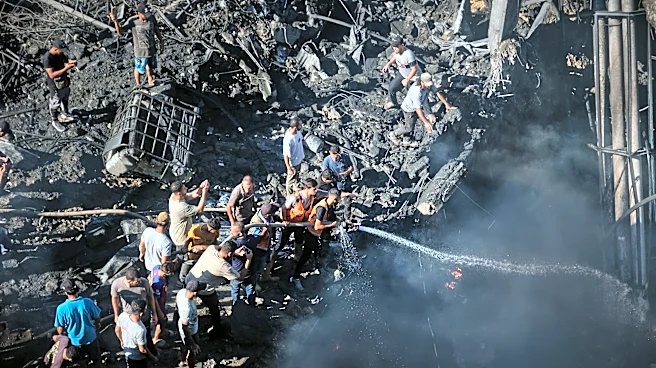
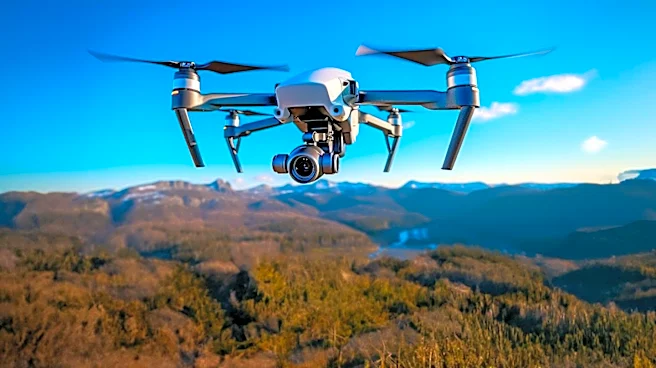
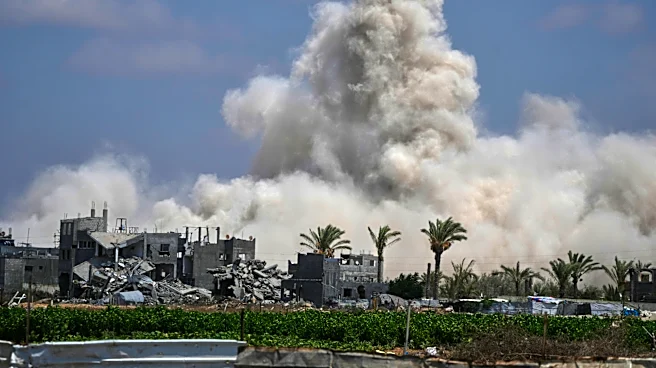
request, highlighting that while fundamental concerns remain, the risks associated with these weapons have intensified. The organizations emphasize that the world is nearing a 'moral red line' where machines could autonomously target humans. They note the rapid advancement of weapon technology has outpaced regulatory frameworks, leading to a widening gap between technological capability and legal constraints. This escalation, they argue, increases the risk of harm to civilians and civilian infrastructure, exacerbating suffering in armed conflicts. The ICRC and UN Secretary-General stress that autonomous weapon systems are not a distant future, as a race towards greater autonomy in weaponry is already underway, with even the scientists and engineers developing these systems raising alarms about the need for limits.
Why It's Important?
The push for regulations on autonomous weapon systems is critically important due to the profound ethical, humanitarian, and legal implications. The potential for machines to make life-or-death decisions without human intervention raises significant moral questions about accountability and the nature of warfare. Unregulated development and deployment of these systems could lead to an erosion of international humanitarian law, making it harder to establish responsibility for errors and breaches in conflict. This could result in increased civilian casualties and suffering, as the precision and discrimination required by international law might be compromised. For the U.S. and other technologically advanced nations, this debate impacts military strategy, defense spending, and the future of arms control. A failure to act decisively could set a dangerous precedent, leading to a global arms race in autonomous weapons and a more unstable international security landscape, affecting global peace and the protection of human dignity.
What's Next?
The ICRC and UN Secretary-General are urging states to begin negotiations immediately to adopt a legally binding instrument to regulate autonomous weapon systems, including clear prohibitions and restrictions. They point to the upcoming Seventh Review Conference of the Convention on Certain Conventional Weapons in November as the clearest path for states to decide on moving forward with such negotiations. The organizations believe that the groundwork laid over the past three years provides an ideal basis for these discussions. The expectation is that states will demonstrate political courage and move beyond incremental discussions to take decisive action. Failure to do so, they warn, will cost lives and leave future generations to contend with a world where these weapons proliferate beyond control, undermining the protections international humanitarian law is designed to guarantee. The international community will be watching to see if this renewed call translates into concrete diplomatic efforts and a binding agreement.
Beyond the Headlines
Beyond the immediate concerns of warfare, the proliferation of autonomous weapon systems raises deeper questions about the role of artificial intelligence in society and the future of human control over critical decisions. The debate touches upon the very definition of humanity and the ethical boundaries of technological innovation. Allowing machines to autonomously decide who lives or dies could fundamentally alter our understanding of justice, responsibility, and moral agency. It could also lead to a dehumanization of conflict, potentially lowering the threshold for engaging in warfare. Furthermore, the development of such systems could exacerbate global inequalities, as only a few nations might possess the resources to develop and deploy them, creating new power imbalances. The long-term societal impact could include a shift in public perception of technology, potentially fostering distrust if AI is seen as a tool for autonomous killing rather than for human betterment. This issue transcends military strategy, delving into philosophy, ethics, and the very fabric of future human civilization.