








What's Happening?
A recent study has highlighted a significant threat to global water reservoirs, with sediment accumulation posing a risk to their functionality. By 2060, it is projected that half of the world's reservoirs could become inoperable due to sediment buildup.
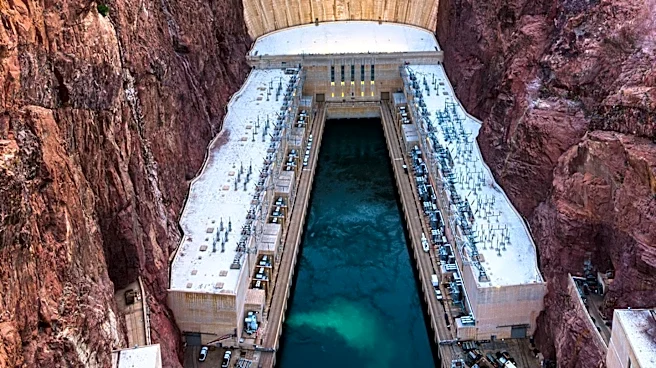
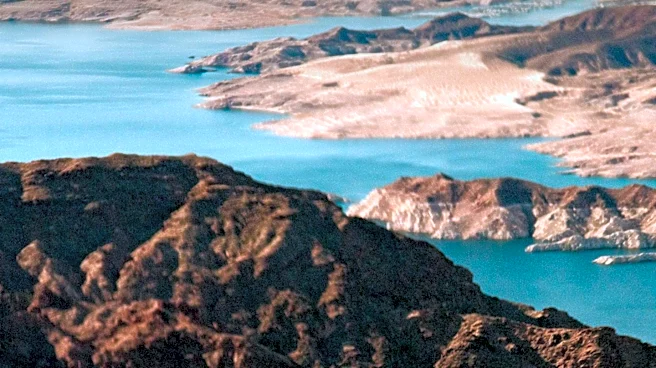
This issue is particularly acute in the American West, where steep topography and human activities contribute to increased sedimentation. The sediment reduces water storage capacity and exerts additional pressure on dam structures, threatening water security and safety for nearby communities. The study emphasizes the need for intervention to manage sediment and preserve reservoir functionality.
Why It's Important?
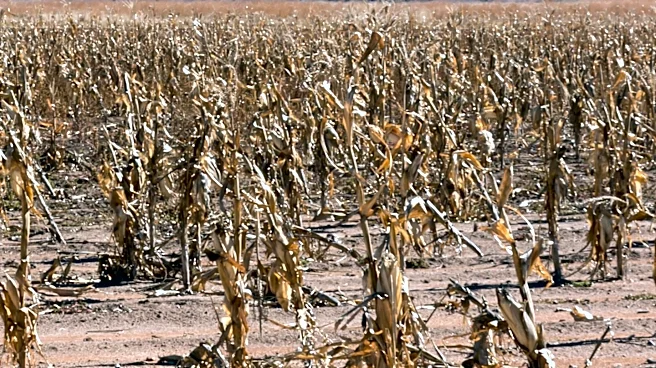
The findings underscore a critical challenge for water management and infrastructure, particularly in regions like the American West that rely heavily on reservoirs for water supply and agriculture. Sediment accumulation not only reduces water storage capacity but also increases the risk of dam failure, posing a threat to public safety and economic stability. Addressing this issue is vital for ensuring long-term water security and supporting agricultural productivity. The study calls for improved sediment management practices and infrastructure planning to mitigate these risks.
What's Next?
Efforts to address sedimentation may include upstream soil conservation, retrofitting dams to manage sediment, and exploring technological solutions for sediment removal. Policymakers and engineers will need to collaborate on strategies to enhance reservoir resilience and prevent future sediment-related issues. Public awareness and investment in sustainable water management practices will be crucial in addressing this growing challenge. The study's findings may also prompt further research into innovative solutions for sediment management and reservoir sustainability.