



What's Happening?
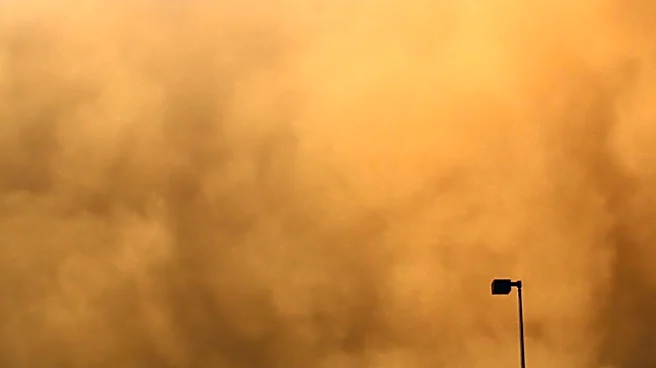
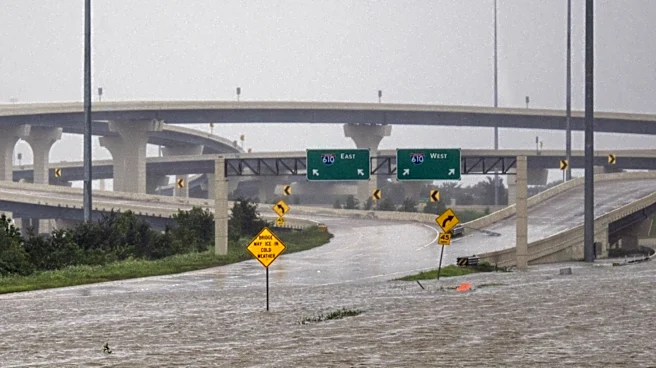
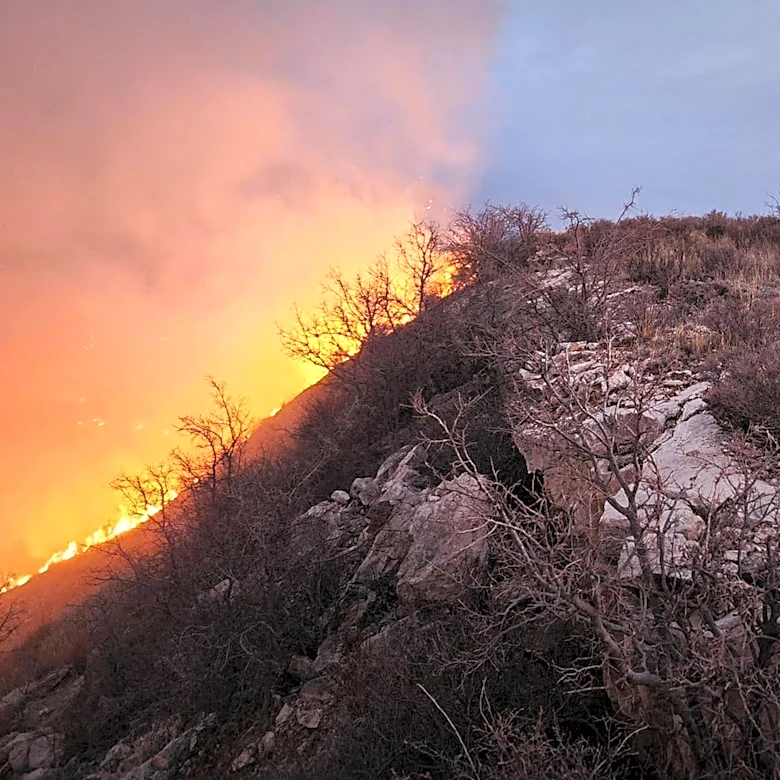
Nicaragua is grappling with a complex multi-hazard environment due to its geographical location and climatic conditions. The country is exposed to a range of natural hazards, including tropical cyclones, extreme rainfall, drought, earthquakes, and volcanic
eruptions. The Central American Dry Corridor, which covers a significant portion of Nicaragua, is particularly vulnerable to drought, affecting thousands of communities. The country's disaster risk is compounded by environmental degradation, poverty, and infrastructure vulnerabilities. The Nicaraguan government, along with international partners, is working on implementing a multi-hazard early warning system to better manage these risks and improve resilience.
Why It's Important?
Nicaragua's vulnerability to multiple natural hazards poses significant challenges to its development and the well-being of its population. The impacts of climate change, such as increased temperatures and changing precipitation patterns, exacerbate these risks, threatening agriculture, water resources, and livelihoods. The implementation of a comprehensive early warning system is crucial for mitigating the impacts of these hazards and enhancing the country's adaptive capacity. This initiative could serve as a model for other countries facing similar challenges, highlighting the importance of integrated risk management and climate adaptation strategies.
What's Next?
Nicaragua's focus on building a multi-hazard early warning system will involve strengthening meteorological and hydrological monitoring, improving communication with communities, and enhancing disaster preparedness. The government aims to prioritize areas most at risk, such as the Dry Corridor and coastal regions, for targeted interventions. International support and collaboration will be essential in providing the technical and financial resources needed to implement these systems effectively. The success of these efforts will depend on sustained commitment from national and local authorities, as well as the active participation of communities in risk reduction initiatives.