
What's Happening?
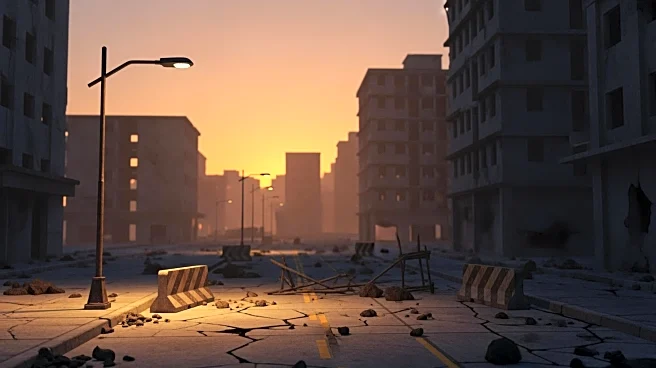
Five years after the fall of Saddam Hussein, Iraqis continue to face relentless violence in their country. This ongoing turmoil is attributed to Washington's reluctance to provide adequate assistance,
leaving Iraqis trapped in a cycle of conflict. The situation remains dire as the lack of intervention from the U.S. has contributed to the persistent instability in Iraq. The article highlights the struggles faced by Iraqis who are unable to escape the violence that has engulfed their nation since the U.S.-led invasion and the subsequent toppling of Saddam Hussein's regime.
Why It's Important?
The continued violence in Iraq underscores the long-term consequences of foreign intervention without sustained support for rebuilding and stabilization. The U.S.'s initial involvement in Iraq was aimed at dismantling Saddam Hussein's regime, but the lack of a comprehensive post-war strategy has left the country in chaos. This situation not only affects the Iraqi population but also has broader implications for regional stability and U.S. foreign policy. The ongoing conflict in Iraq serves as a reminder of the complexities involved in nation-building and the responsibilities of intervening powers to ensure lasting peace and security.