








What's Happening?
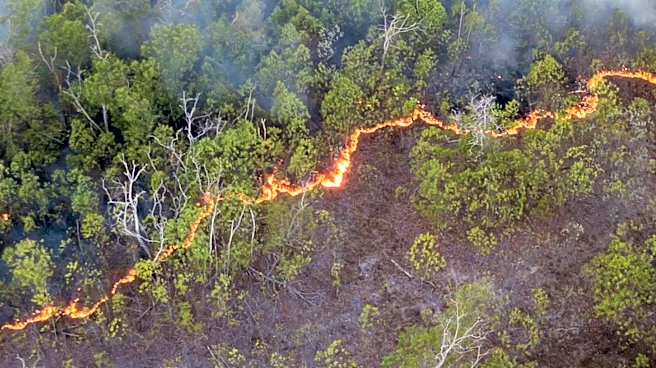
A wildfire located near Cactus Rock in Jamestown, Tennessee, within the Big South Fork National River & Recreation Area, is currently estimated to cover 220 acres and has reached 75% containment. Officials have reported minimal recent fire activity, attributing
this to lower temperatures, higher relative humidity, and increased rainfall. Despite the progress in containment, all temporary closures previously announced remain in effect. These closures impact specific recreational areas, including portions of the Darrow Ridge Multi Use Trail, Little Cliff Multi Use Trail, Christian Cemetery Multi Use Trail, and the entirety of the Upper Panther Branch Horse Trail. The wildfire was initially reported on October 29, at which point it was estimated to be approximately 10 acres in size.
Why It's Important?
The containment of this wildfire is crucial for the preservation of natural resources and public safety in the Big South Fork National River & Recreation Area. While no homes are currently threatened, the ongoing closures of multi-use trails highlight the direct impact on recreational activities and local tourism, which can be significant for regions relying on outdoor recreation. The successful containment efforts, aided by favorable weather conditions, demonstrate the effectiveness of rapid response and environmental factors in mitigating the spread of wildfires. This event underscores the continuous challenge of managing wildfires in natural parks and the importance of public adherence to safety guidelines and closure notices to prevent further incidents and ensure the safety of both visitors and emergency personnel.
What's Next?
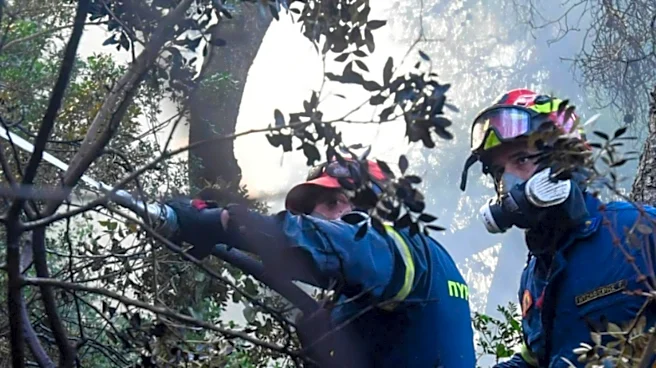
Firefighting crews will continue to monitor the wildfire and work towards achieving full containment. The existing temporary closures for various trails within the Big South Fork National River & Recreation Area will remain in effect until officials deem it safe for public access. Future decisions regarding the reopening of these trails will depend on the complete suppression of the fire and any necessary assessments of the affected areas for safety and environmental recovery. The focus will likely shift to post-fire assessments to understand the ecological impact and to plan for any restoration efforts required in the burned areas.
Beyond the Headlines
This wildfire incident, though largely contained, reflects a broader national trend of increasing wildfire frequency and intensity, often exacerbated by climate patterns and human activity. While this specific fire benefited from improved weather, the long-term implications for ecosystems like the Big South Fork National River & Recreation Area include potential changes in vegetation composition, soil erosion, and impacts on wildlife habitats. The repeated occurrence of such events can lead to significant ecological shifts and necessitate evolving land management strategies, including prescribed burns and enhanced public education on fire prevention. The economic impact on local communities, even from contained fires, can be substantial due to lost tourism revenue and the costs associated with firefighting and restoration.