
What's Happening?
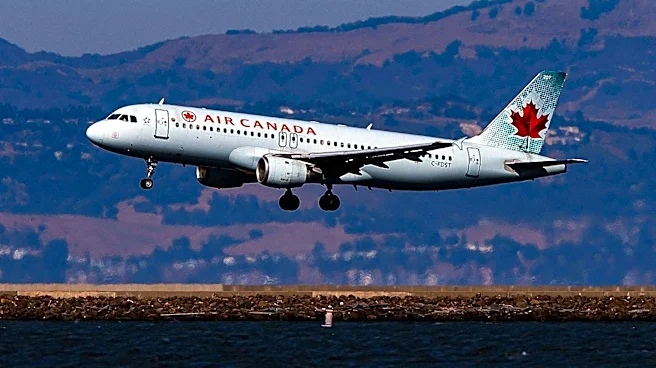
Air Canada has released its Daily Travel Outlook, providing passengers with information regarding potential disruptions to Air Canada, Air Canada Rouge, or Air Canada Express flights. The outlook details
forecasted weather conditions or other factors that may lead to flight delays and cancellations. Affected airports are listed by date, region, and city, allowing travelers to stay informed about their specific routes. The airline emphasizes its comprehensive hurricane and tropical storm policy, designed to offer peace of mind to customers booking flights during periods prone to such weather events. This policy aims to provide clarity and options for passengers facing unforeseen circumstances. Additionally, Air Canada automatically enrolls passengers in flight notification services, sending updates directly to mobile devices or via email, which can be reconfirmed during check-in. This proactive communication strategy is intended to keep travelers updated on any changes to their itineraries.
Why It's Important?
This daily travel outlook is crucial for passengers planning to fly with Air Canada, as it directly impacts their travel plans and potentially their safety. By providing timely information on potential disruptions, Air Canada enables travelers to make informed decisions, such as adjusting their schedules or seeking alternative arrangements. The emphasis on a hurricane and tropical storm policy highlights the airline's commitment to passenger welfare and risk management, especially in regions susceptible to severe weather. This transparency can enhance customer trust and satisfaction, as passengers appreciate proactive communication from airlines. For the airline industry, such initiatives are vital for maintaining operational efficiency and managing customer expectations during challenging weather conditions or other unforeseen events, ultimately contributing to a smoother travel experience for a large number of individuals.
What's Next?
Passengers with upcoming Air Canada flights should regularly check the Daily Travel Outlook for updates relevant to their travel dates and destinations. The airline will continue to update this outlook as new information regarding weather patterns or other operational factors becomes available. Travelers are also encouraged to utilize the flight notification service to receive real-time alerts directly. In the event of significant disruptions, Air Canada's customer service channels will likely experience increased activity, and passengers may need to be prepared for potential rebooking or cancellation processes. The effectiveness of these communication tools will be continuously monitored, and adjustments may be made to improve the dissemination of critical travel information, especially as weather patterns become more unpredictable.
Beyond the Headlines
The implementation of a daily travel outlook and robust weather policies by airlines like Air Canada reflects a broader trend in the travel industry towards enhanced transparency and proactive customer communication. In an era where weather events are becoming more frequent and intense, airlines are increasingly investing in systems that can predict and communicate potential disruptions effectively. This not only helps manage immediate operational challenges but also builds long-term customer loyalty by demonstrating a commitment to passenger well-being. Furthermore, such policies can influence travel insurance decisions, as passengers may seek coverage that aligns with airline policies on weather-related cancellations. The continuous evolution of these communication strategies will be critical for airlines to navigate the complexities of modern air travel and maintain a competitive edge.