



What's Happening?
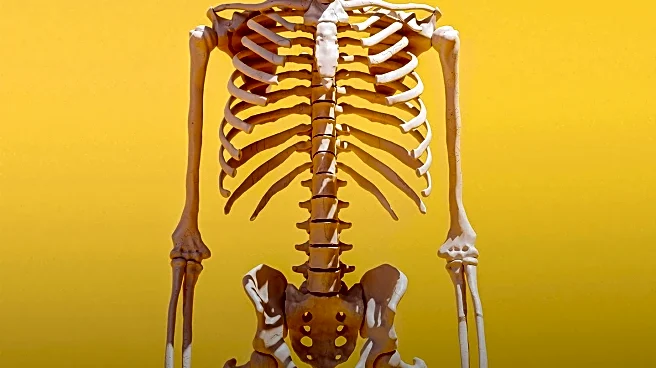
At the American Academy of Orthopedic Surgeons (AAOS) annual meeting, the Hospital for Special Surgery (HSS) presented significant studies that could influence pediatric orthopedic care. One study revealed that 95% of adolescent athletes with lumbar spine
stress fractures, known as spondylolysis, can recover with non-surgical treatments such as rest, bracing, and physical therapy. This finding suggests that surgery should be a last resort. Another study highlighted a potential link between growth hormone therapy and an increased risk of physeal fractures in children, which are common among active adolescents. These studies aim to guide healthcare professionals in making informed decisions about treatment options for young patients.
Why It's Important?
The findings presented by HSS have significant implications for pediatric orthopedic care. By advocating for non-surgical treatment of spondylolysis, healthcare providers can potentially reduce the physical and financial burden of surgery on young athletes and their families. Additionally, the study on growth hormone therapy raises important considerations for its use, as it may increase the risk of fractures in children. This information is crucial for doctors and families when weighing the benefits and risks of growth hormone therapy, potentially influencing treatment protocols and insurance coverage decisions.
What's Next?
Further research is needed to confirm the association between growth hormone therapy and increased fracture risk. Healthcare providers may need to reassess treatment guidelines and counseling practices for families considering growth hormone therapy. The findings on non-surgical treatment for spondylolysis could lead to changes in standard care practices, emphasizing conservative management. These developments may prompt discussions among medical professionals and insurance companies about the best approaches to pediatric orthopedic care.