







What's Happening?
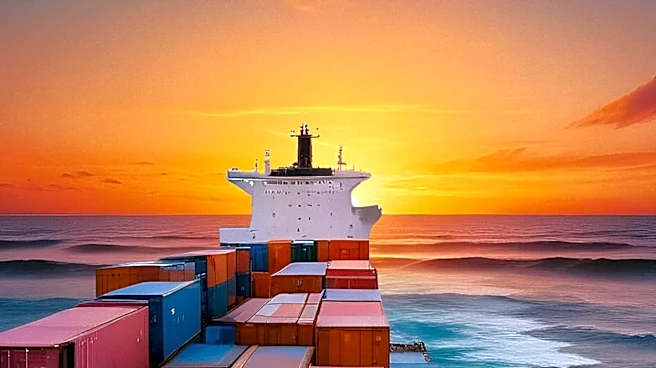
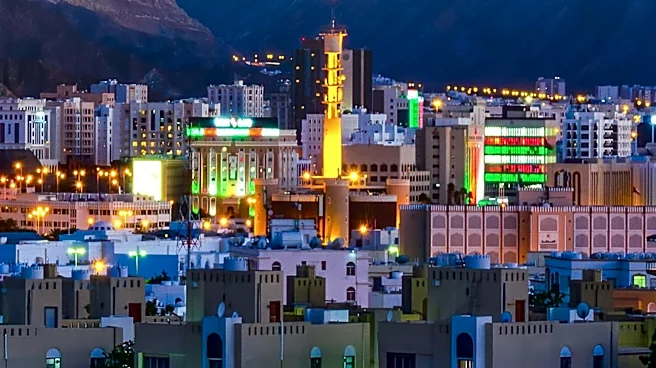
Iran is in discussions with Oman to establish a temporary two-way shipping corridor through the Strait of Hormuz. This initiative aims to restore maritime traffic to pre-war levels within 30 days, following disruptions caused by U.S. military actions
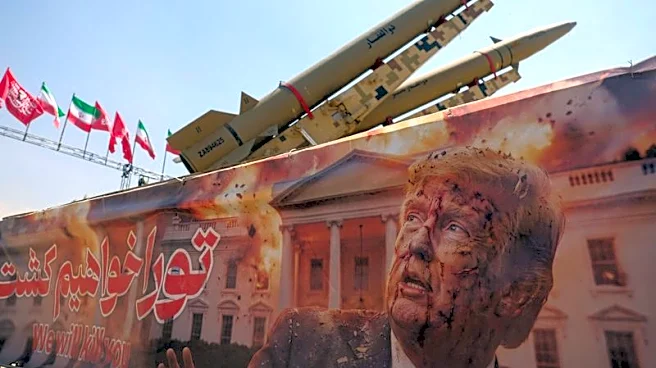
and a maritime blockade. The negotiations focus on replacing separate northern and southern routes with a single intermediate corridor to address security and environmental concerns. The talks are part of a broader effort to manage navigation through this strategic waterway, with Iran taking responsibility under a June 18 memorandum. The discussions come amid heightened regional tensions, including reports of attacks on U.S. military bases and cargo vessels in the area.
Why It's Important?
The Strait of Hormuz is a critical chokepoint for global oil shipments, and any disruption can have significant implications for international energy markets. The establishment of a temporary corridor could help stabilize shipping routes and reduce the risk of conflict in the region. However, the ongoing tensions between Iran and the U.S., including recent military confrontations, underscore the fragility of the situation. The outcome of these negotiations could influence regional security dynamics and impact global oil prices, affecting economies worldwide.
What's Next?
The temporary corridor is expected to remain operational until a permanent solution is agreed upon. The negotiations could lead to broader diplomatic engagement or regional de-escalation if successful. However, the situation remains volatile, with potential for further military confrontations. Stakeholders, including regional and extra-regional countries, are urged to support the negotiations to ensure maritime security and stability in the region.