







What's Happening?
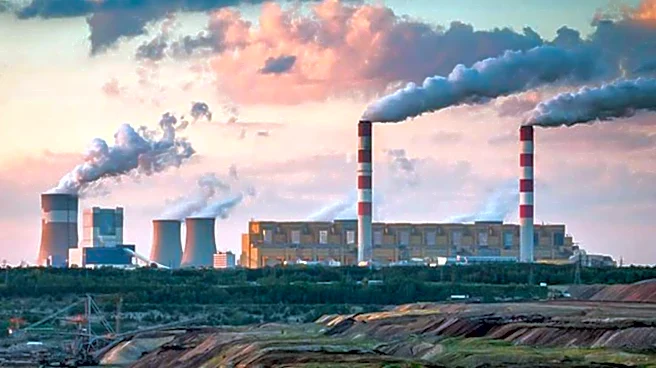
Fossil fuels, including coal, oil, and natural gas, continue to be a primary global energy source, powering homes, businesses, factories, and transportation systems. These fuels are formed over millions of years from the remains of ancient plants and animals
buried under layers of sediment, making them nonrenewable resources. They are composed of carbon and hydrogen compounds that release energy when burned. The formation process requires specific conditions: organic matter, burial under sediment, millions of years, heat and pressure, and a lack of oxygen to prevent complete decay. Coal primarily develops from ancient plant matter in swampy conditions, oil originates from marine organisms compressed between rock layers, and natural gas, mainly methane, often forms above oil deposits or separately under high heat and pressure. Despite their finite nature and the environmental impacts associated with their use, the fossil fuel industry continues to operate, with major companies reporting significant profits and plans for increased production.
Why It's Important?
The continued reliance on fossil fuels has significant implications for the U.S. economy, energy policy, and environmental health. As a major consumer and producer of these resources, the U.S. faces a dual challenge: maintaining energy security and economic stability while addressing the environmental consequences. The burning of fossil fuels releases carbon dioxide and other greenhouse gases, contributing to climate change, global warming, and extreme weather events. This necessitates substantial investments in cleaner technologies and a transition towards renewable energy sources to mitigate long-term environmental and economic risks. The industry's profitability and expansion plans highlight the economic inertia and the complex political landscape surrounding energy policy, where job creation and economic output are often weighed against environmental protection and public health. The U.S. must navigate these competing interests to develop a sustainable energy future.
What's Next?
The U.S. is expected to continue its efforts in developing and implementing cleaner burning technologies for existing fossil fuels, alongside exploring carbon capture and sequestration methods to reduce atmospheric carbon dioxide. Natural gas may serve as a transitional fuel due to its lower carbon dioxide emissions compared to coal. Concurrently, there will be an increased focus on accelerating the development and adoption of renewable energy alternatives to decrease dependency on fossil fuels. This shift will likely involve policy incentives, research and development funding, and infrastructure investments to support solar, wind, and other sustainable energy sources. Major stakeholders, including energy companies, environmental organizations, and government agencies, will continue to engage in debates and initiatives aimed at balancing energy demands with environmental sustainability. The long-term trajectory points towards a gradual but persistent move away from fossil fuel dominance.
Beyond the Headlines
The ongoing reliance on fossil fuels raises profound ethical and intergenerational equity questions. The benefits of readily available energy are enjoyed by current generations, while the environmental burdens, such as climate change and resource depletion, are largely deferred to future generations. This dynamic creates a moral imperative for the U.S. to invest in sustainable practices and technologies. Furthermore, the geopolitical implications of fossil fuel dependency are significant, influencing international relations, trade policies, and national security. The transition to renewable energy could reshape global power dynamics, reducing the influence of fossil fuel-rich nations and fostering new alliances based on technological innovation and environmental stewardship. Addressing these deeper implications requires not only technological solutions but also a fundamental shift in societal values and policy frameworks towards long-term sustainability and global cooperation.